

Achieving climate neutrality by 2050-2070 will be proportionally equal to the contribution:
- RES (35%),
- energy efficiency (30%),
- other measures (35%) that help reduce greenhouse gas emissions (GHG).
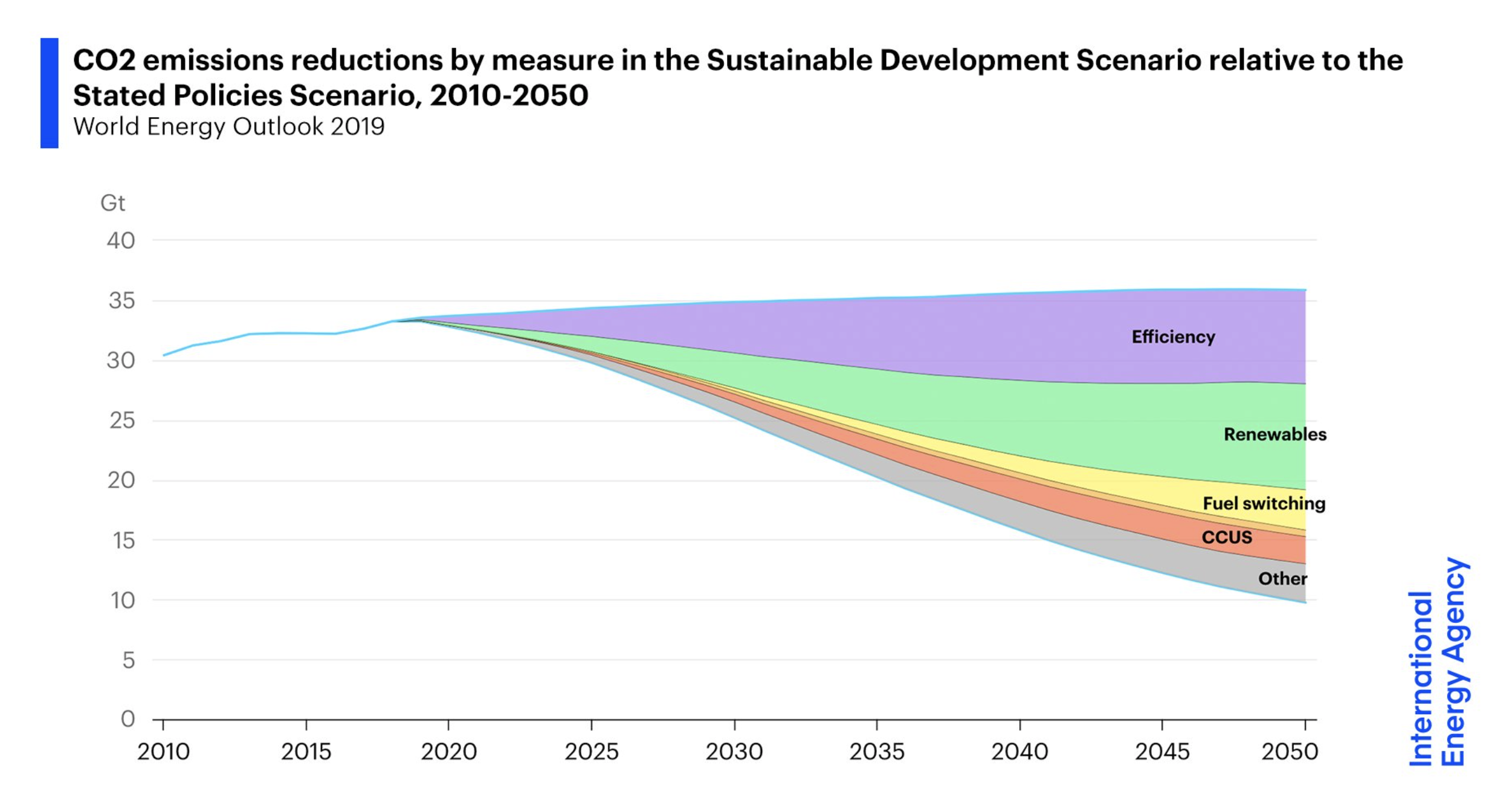
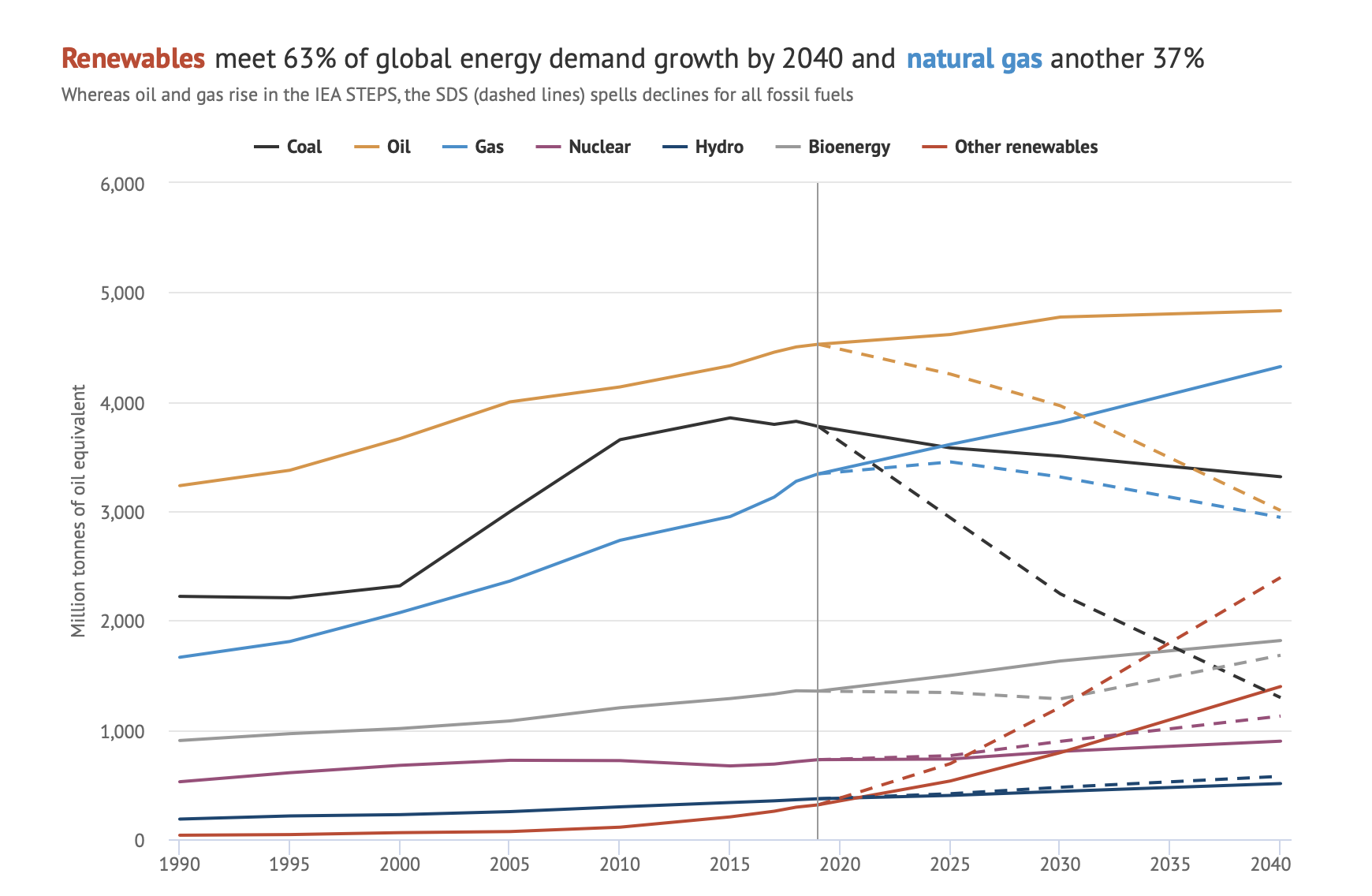
According to the Sustainable Energy Development Scenario until 2050, the contribution of RES to GHG emission reductions will be 32-38% (World Energy Outlook 2020). It is important that bioenergy will remain the leader (45-50% of all RES in 2050) among RES (in the whole energy), the other 50% will be distributed in equal proportions between solar, wind, and hydro generation.
Reducing energy consumption in all sectors of the economy (mostly in residential buildings) will reduce greenhouse gas emissions by up to 30% by 2050
International Energy Agency
Without this contribution, only RES will not be able to meet existing energy needs by 2050. 35% — contribution of other measures (carbon capture, transition to more environmentally friendly fuels, combined measures, biohydrogen, usage of absorbed CO2 in industry, etc.). These measures are also partly related to the use of RES.
Conclusion
Climate neutrality can be achieved by 2050-2070 only with a proportionally balanced application of a set of measures, without preferring one or another direction.