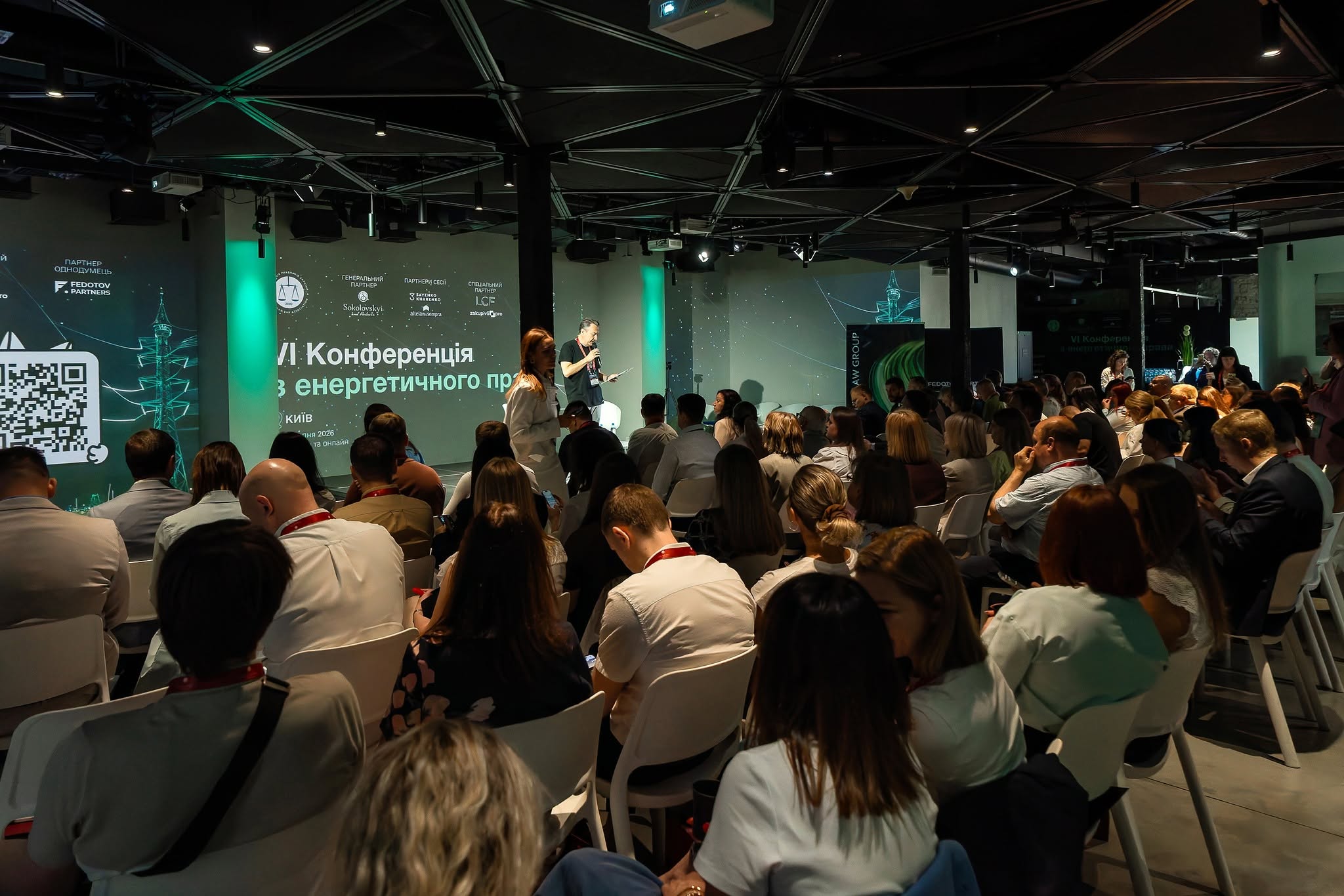
UABIO at the Energy Law Conference
On July 24, the VI Energy Law Conference was held in Kyiv. The event highlighted how the energy sector is changing, which regulatory decisions will shape its development in 2026, and what legal tools businesses need to operate, invest, and protect their interests.
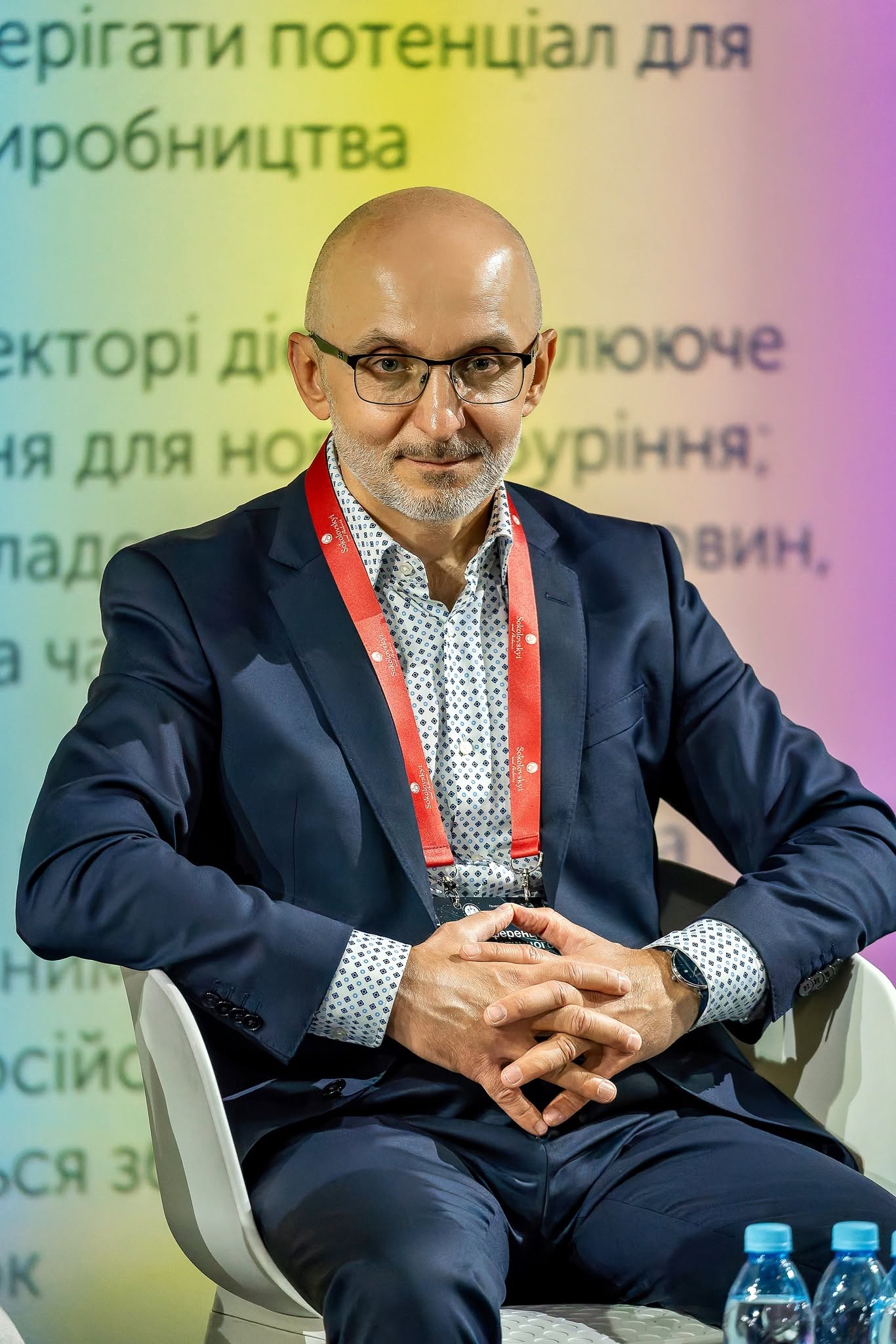
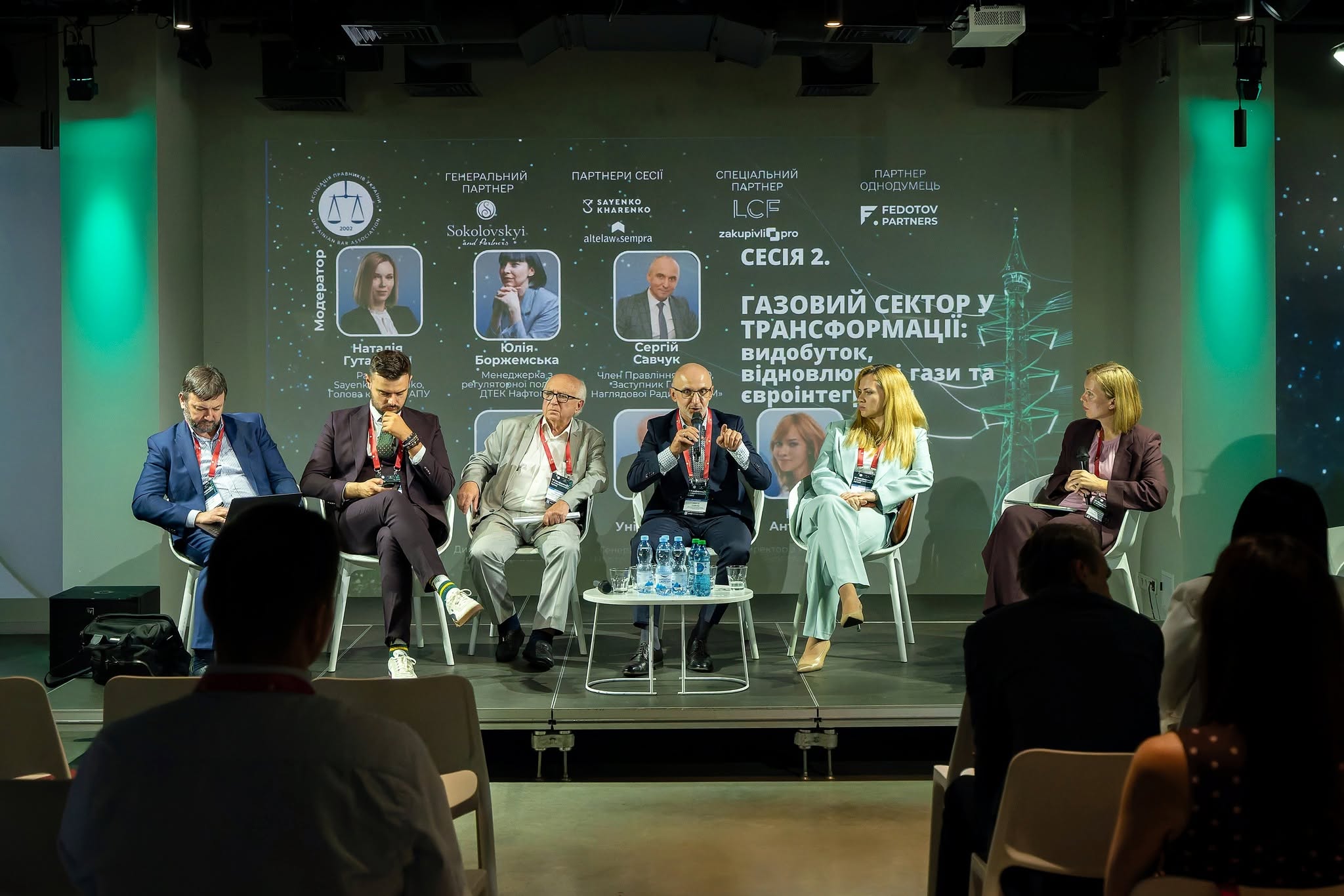
Sergiy Savchuk, a member of the Board of UABIO and Deputy Chair of the Supervisory Board of JSC “Ukrainian Distribution Networks”, spoke at the conference. Anna Pastukh, a legal expert at UABIO, also attended the event.
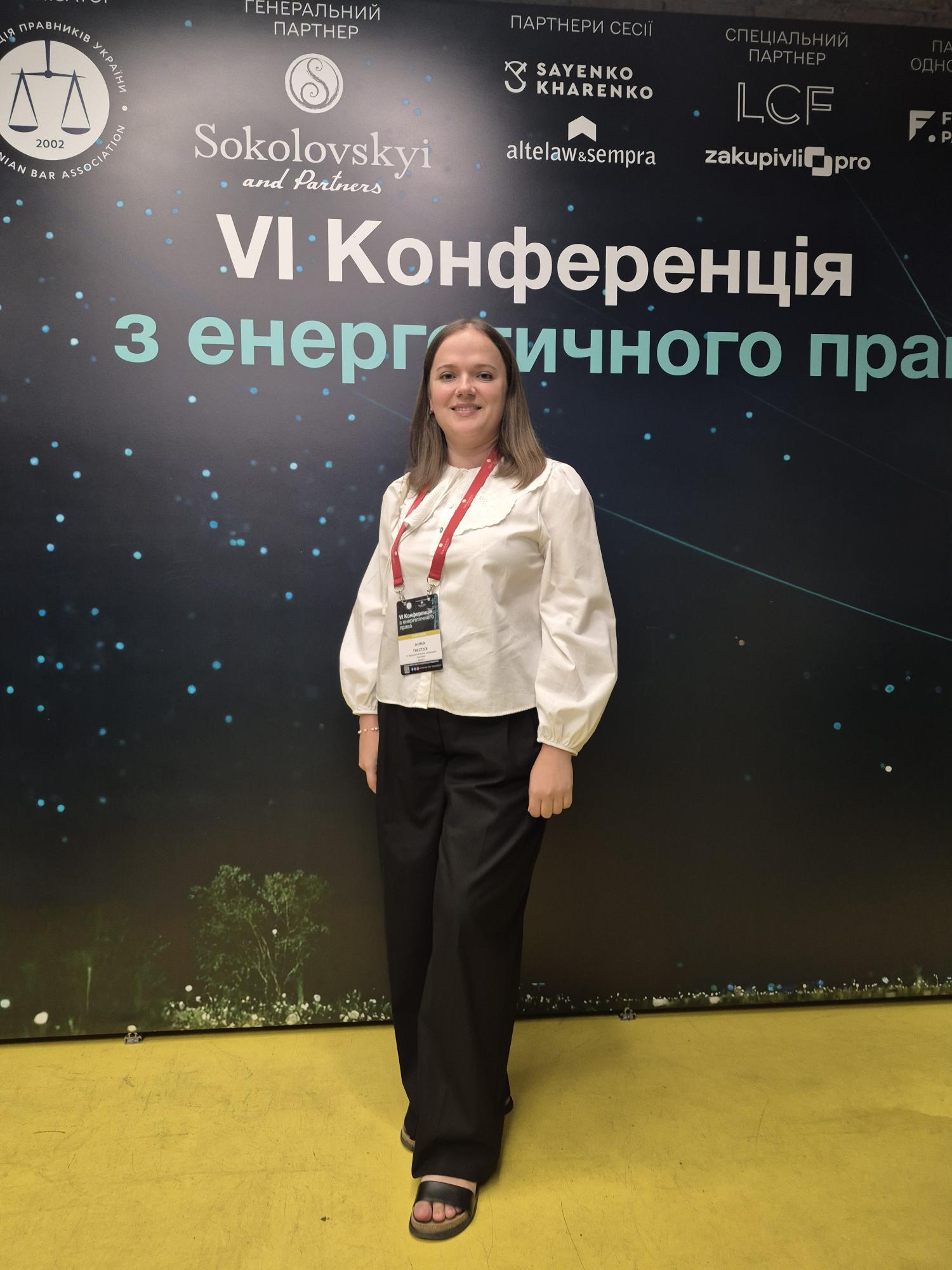
The event brought together lawyers, representatives of the energy industry, the public sector, investors, and international partners for a practical discussion on new electricity market regulations, the transformation of the gas sector, distributed generation, legal disputes, compensation for damages, and legal tools for developing energy projects. Below, we’ve compiled the key takeaways from the conference.
New legal framework for renewable energy: quotas, auctions, and risk minimization
The key signal for the renewable energy market is the launch of renewable energy auctions this autumn (Cabinet of Ministers of Ukraine Order No. 508-r). Auctions for the wind power quota will take place in September, and those for “other sources” (biomass and biogas) will follow in October (quota of 150 MW, price cap of 12 eurocents/kWh).
To encourage investor participation, regulatory barriers have been significantly reduced:
- Escrow mechanisms and direct transfers to GarPOK have been introduced in place of standard bank guarantees.
- The requirement to submit documentation for land plots has been eliminated, and the deadlines for providing technical specifications have been extended.
- During martial law, developers have 42 months to launch a project.
With guaranteed off-take and the arrangement of war risk insurance, the market offers a more acceptable risk profile for investors.
The biomethane industry and distributed generation
Sergiy Savchuk shared his vision for the development of the biomethane industry: “The market is already up and running: there are connections to the grids and exports. The question is no longer whether there will be a market, but rather what scenario its development will follow”.
Systemic barriers lie not in technology, but in infrastructure and institutions:
- the issue of connecting to networks needs to be resolved at the national level, rather than through negotiations between an individual project and an operator;
- access to raw materials and a lack of coordination in agricultural cooperation: farmers lack a moderator who could help structure joint projects and resolve connection issues;
- export restrictions and procedures — a factor that directly affects a project’s bankability, since exports are currently the only solvent market that makes projects financially viable.
Distributed generation is a distinct segment of demand. Tenders are being prepared to meet the needs of energy-deficient regions and to support operations during peak hours. Biogas and biomass cogeneration are exactly the type of capacity needed here: controllable, local, with its own feedstock base, and available during the heating season.
Financial instruments
Businesses can access affordable domestic financing to implement distributed generation and renewable energy projects. In particular, the Decarbonization Fund offers preferential terms:
- Limit: up to 90 million UAH per project.
- Interest rate: fixed, 5–9% per annum in UAH.
- Terms: loans—up to 10 years; leases—up to 7 years.
- Conditions: no penalties for early repayment and relaxed collateral requirements.
In total, the Fund has already financed projects worth over 1.6 billion UAH..
Why is it profitable to build in Ukraine right now?
The sector’s development is taking place against the backdrop of far-reaching regulatory changes and European integration. In particular, Ukraine is working to implement Regulation (EU) 2024/1789, which governs renewable gas markets, and is also preparing a reform of the heat market.
A key advantage for investors today is speed. Thanks to the streamlining of permitting procedures during martial law and the introduction of the “design-and-build” principle, it is now possible to build an energy facility in Ukraine much faster than in most EU countries.