Biofuels in maritime transport: UABIO in Copenhagen
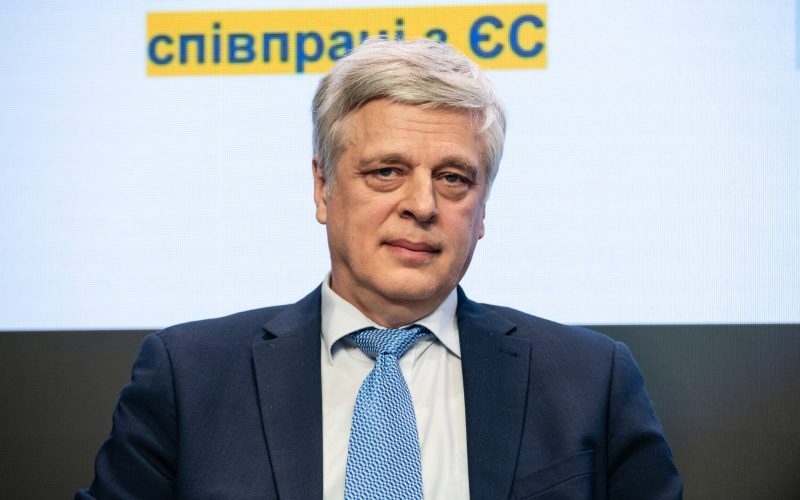
On 31 October 2025, a Ukrainian delegation as part of a study trip to Denmark visited the Center for zero carbon shipping at the Mærsk Center. In particular, UABIO Chairman Georgiі Geletukha shared his vision for the decarbonisation of maritime transport during the visit. Semen Drahniev, an expert from the Association, also joined the meeting.
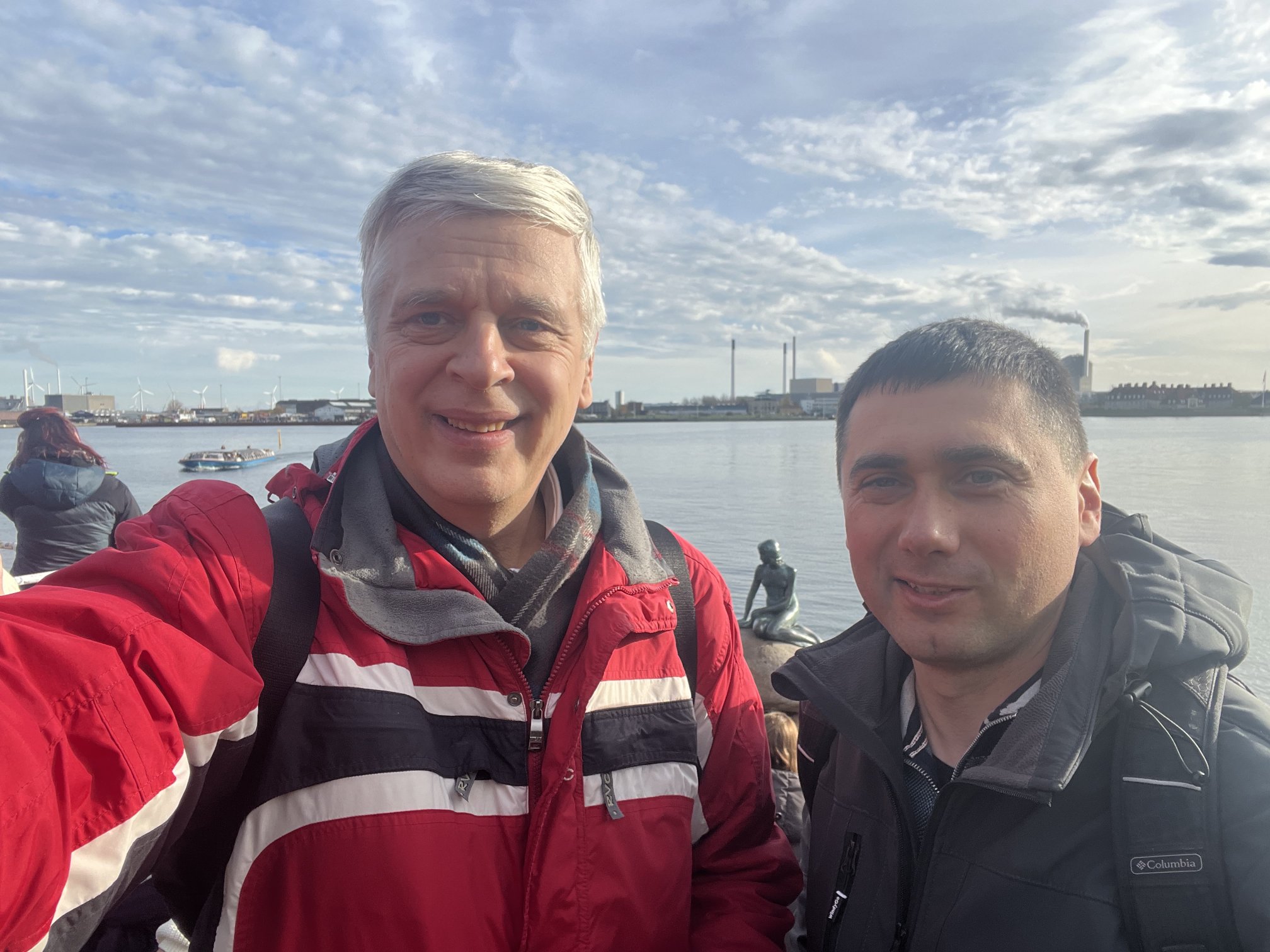
The “Center for zero carbon shipping” at the Mærsk Center is one of the world’s most powerful think tanks working on the decarbonisation of maritime transport.
Meeting agenda:
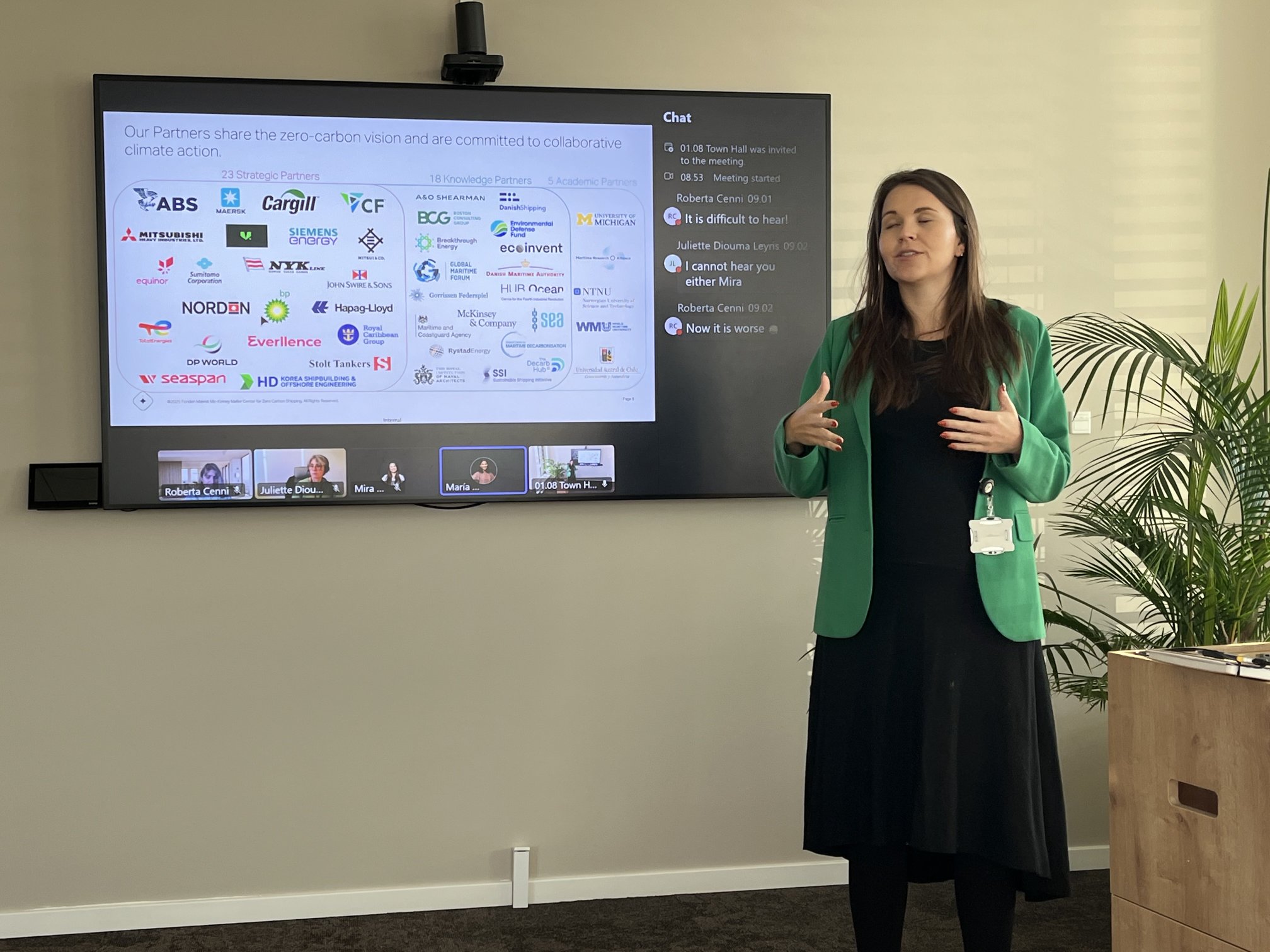
- Introduction to the Center — Mira Bergem, Public Affairs and Advocacy Manager.
- Maritime biofuels — Roberta Cenni, Head of Biofuels.
- Role of ports in the maritime transition — Victor Collazos Rodríguez, Fuel Infrastructure & Ports Manager
Biofuels in maritime transport
The “Center for zero carbon shipping” pays considerable attention to biofuels. In particular, it sees significant advantages in Bio-LNG for ships that use LNG as fuel. It also sees great prospects for the use of bioethanol in combination with methanol, or instead of methanol.
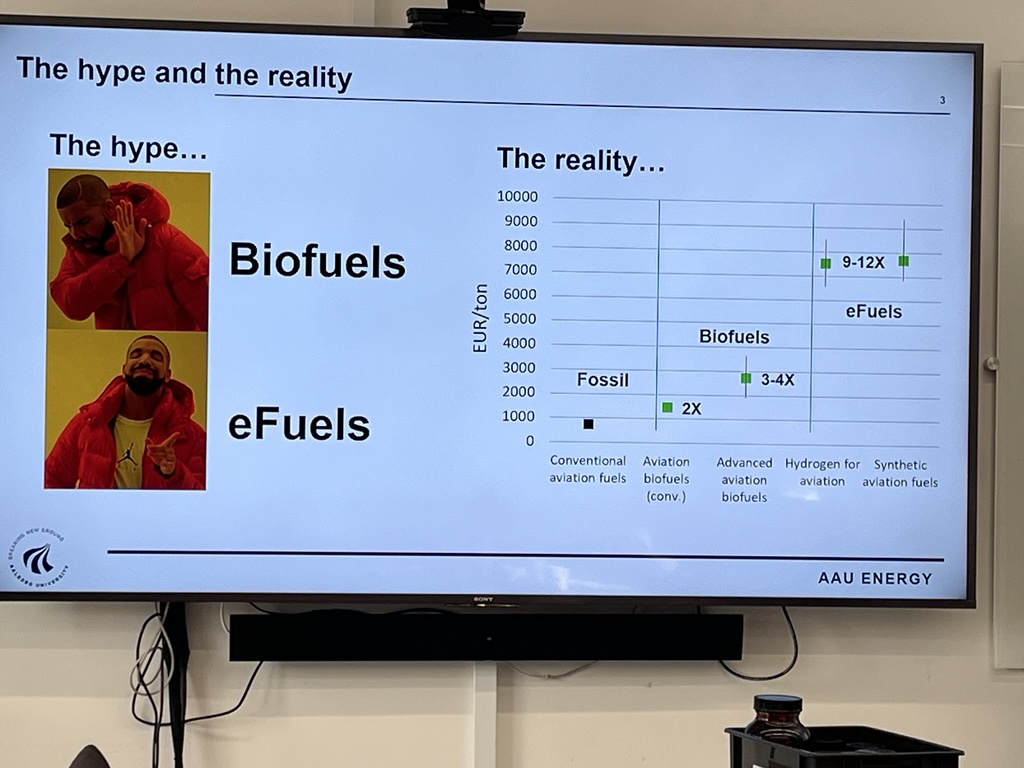
Ethanol has properties similar to methanol, but it is not toxic and is safer to use. However, maritime transport is primarily interested in advanced bioethanol, which is produced not from raw materials that can be used as food or feed, but from waste materials listed in Annex IX of the EU RED III Directive. Unfortunately, most of the bioethanol on the market is currently produced from corn, sugar beet or sugar cane and is first-generation bioethanol.
To use bioethanol in maritime transport, the centre is looking into producing it from cover and intermediate crops, as well as crops grown on polluted and degraded land unsuitable for agriculture.
Comments by Georgii Geletukha
Georgii Geletukha, Chairman of the Board of UABIO, took part in the discussion of these issues and expressed his opinion:
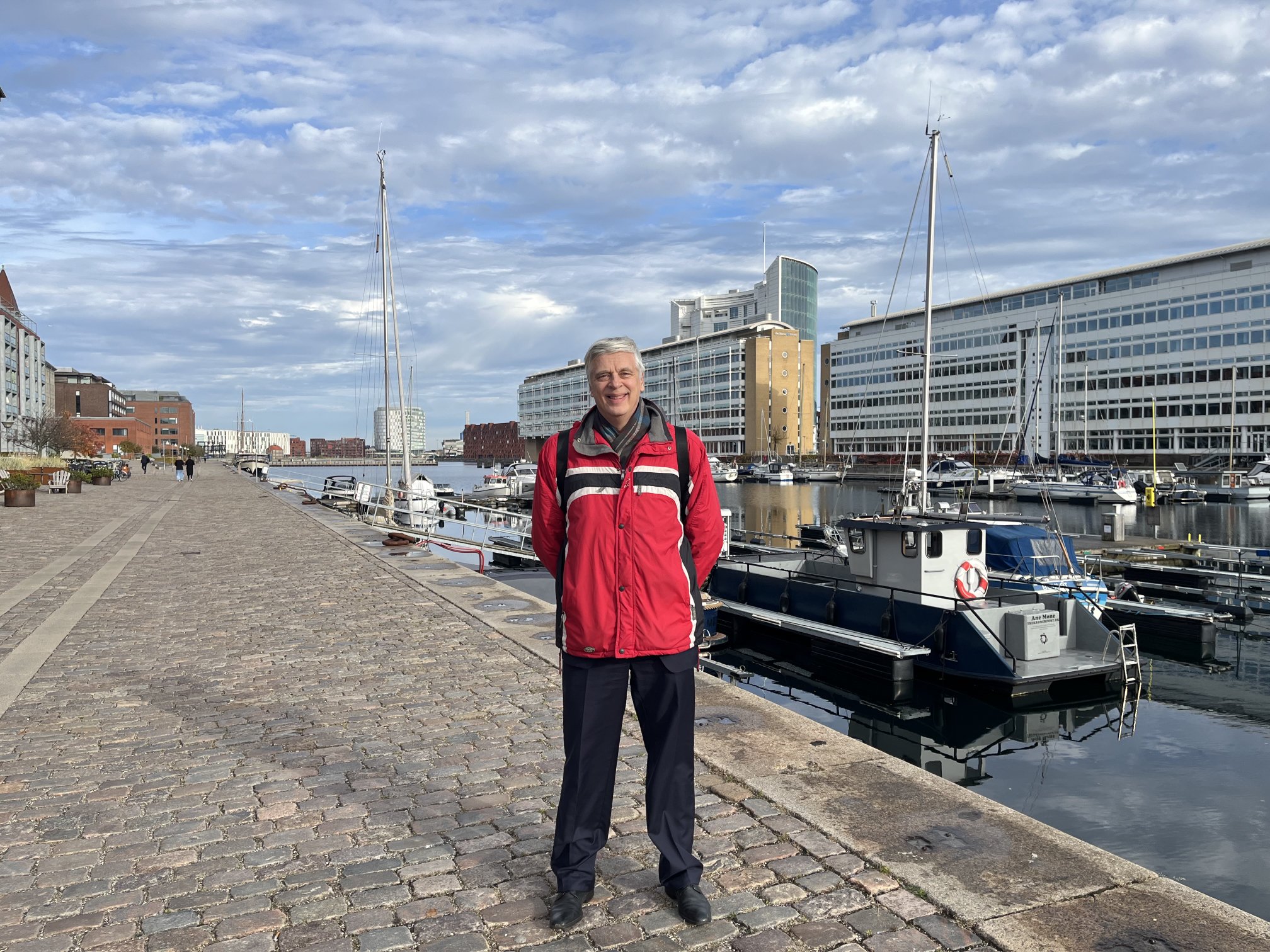
“In my opinion, biomethane should be the basis for decarbonising maritime transport. We can easily produce it from the most accessible raw materials: slurry, chicken manure, straw, stalks, intermediate and cover crops. On the other hand, producing other types of biofuel (bioethanol, FAME, HVO) from these raw materials is more expensive, and the technologies for this are not yet sufficiently developed. The reduction of greenhouse gas emissions from the use of biomethane is the highest possible, and in many cases, the carbon intensity of biomethane is negative“.
“Large-scale production of biomethane can be organised in Ukraine with subsequent transportation of products via pipelines to EU countries. There, mainly near ports, it can be liquefied into Bio-LNG (for use on ships that use LNG) or converted into biomethanol (for use on ships that can use methanol as fuel). At the same time, the total cost of decarbonising maritime transport is minimal compared to alternative options“.

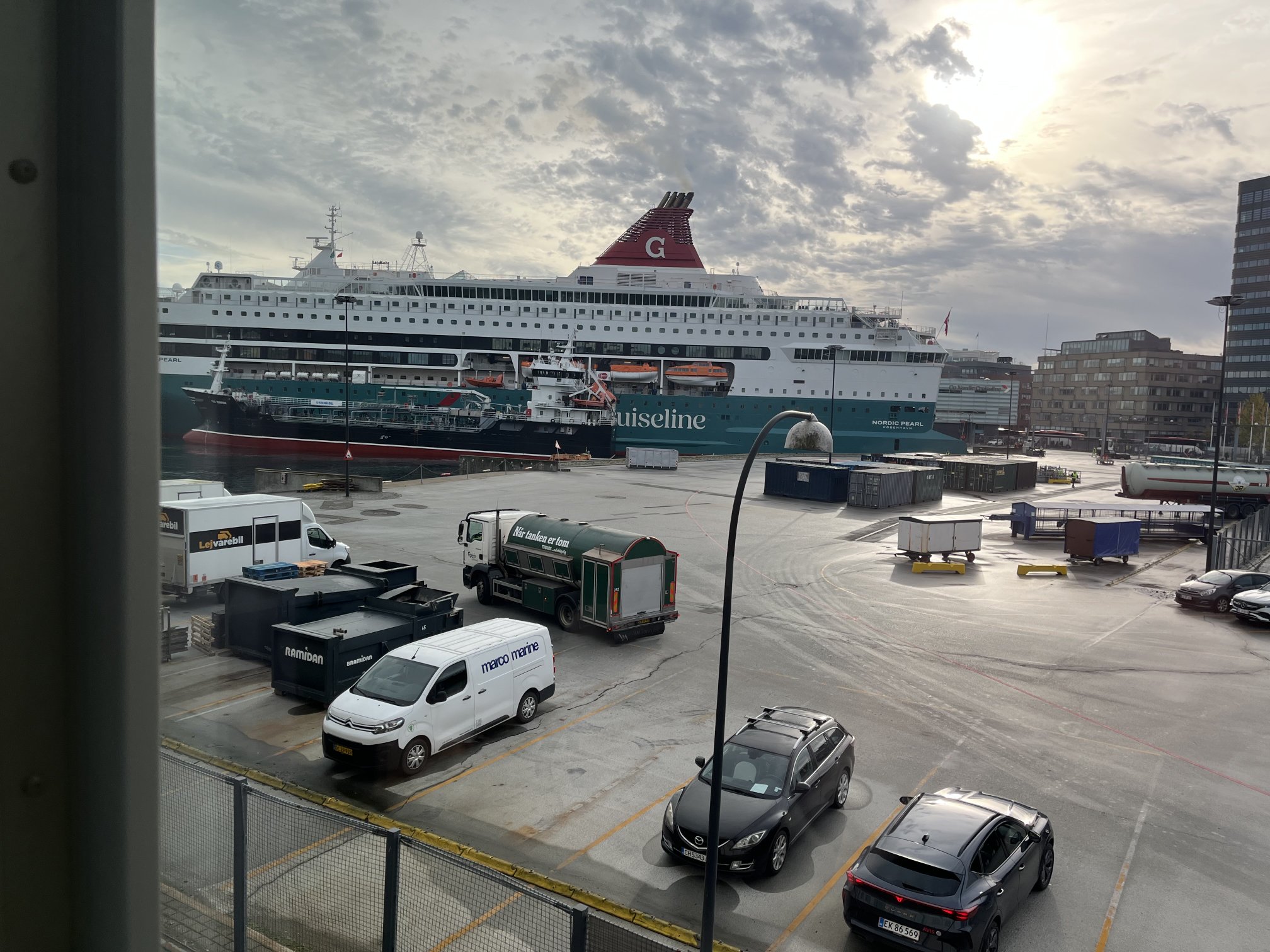
Thus, the Centre for Zero Carbon Shipping at the Mærsk Center and UABIO will continue discussions on these issues and conduct a joint analysis of the proposed concept. The Bioenergy Association of Ukraine believes that Ukraine has strong prospects for integration into the EU on these issues.
The trip of the Ukrainian delegation was organised by the We Build Ukraine with the participation of the Port of Aalborg, Denmark, and the Embassy of Denmark in Ukraine. The trip was dedicated to exploring opportunities for cooperation between Denmark and Ukraine in the use of biofuels for maritime transport.
We would like to thank all parties involved for organising this trip and look forward to fruitful cooperation between Ukraine and Denmark in the bioenergy sector. Moreover, the delegation came across Ukrainian flags many times in Denmark. We are sincerely grateful to Denmark and its people for supporting Ukraine in these difficult times!