Biofuel for maritime transport: Denmark’s experience and Ukraine’s potential — results of expert discussion
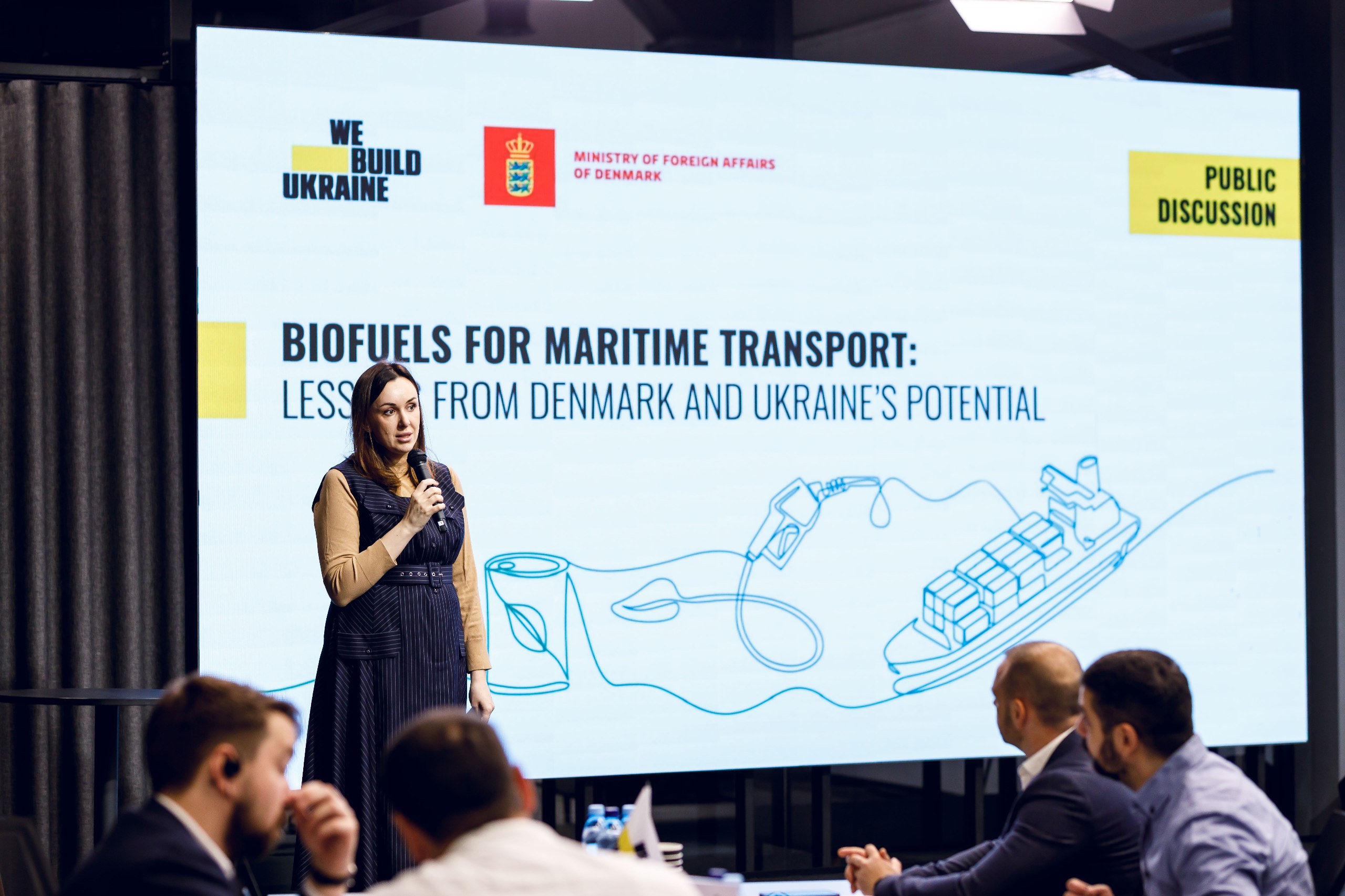
The We Build Ukraine Analytical Centre held a public discussion entitled ‘Biofuels for maritime transport: lessons from Denmark and Ukraine’s potential’ on 27 November 2025 in Kyiv. During the event, Ukrainian and Danish experts presented international experience, technological solutions and the economic potential of using biofuels in maritime transport. The event was opened by Anna Yurchenko, Deputy Director of We Build Ukraine.
The event was moderated by Georgii Geletukha, Chairman of the Board of the Bioenergy Association of Ukraine. Semen Drahniev, an expert at UABIO, also spoke at the event.
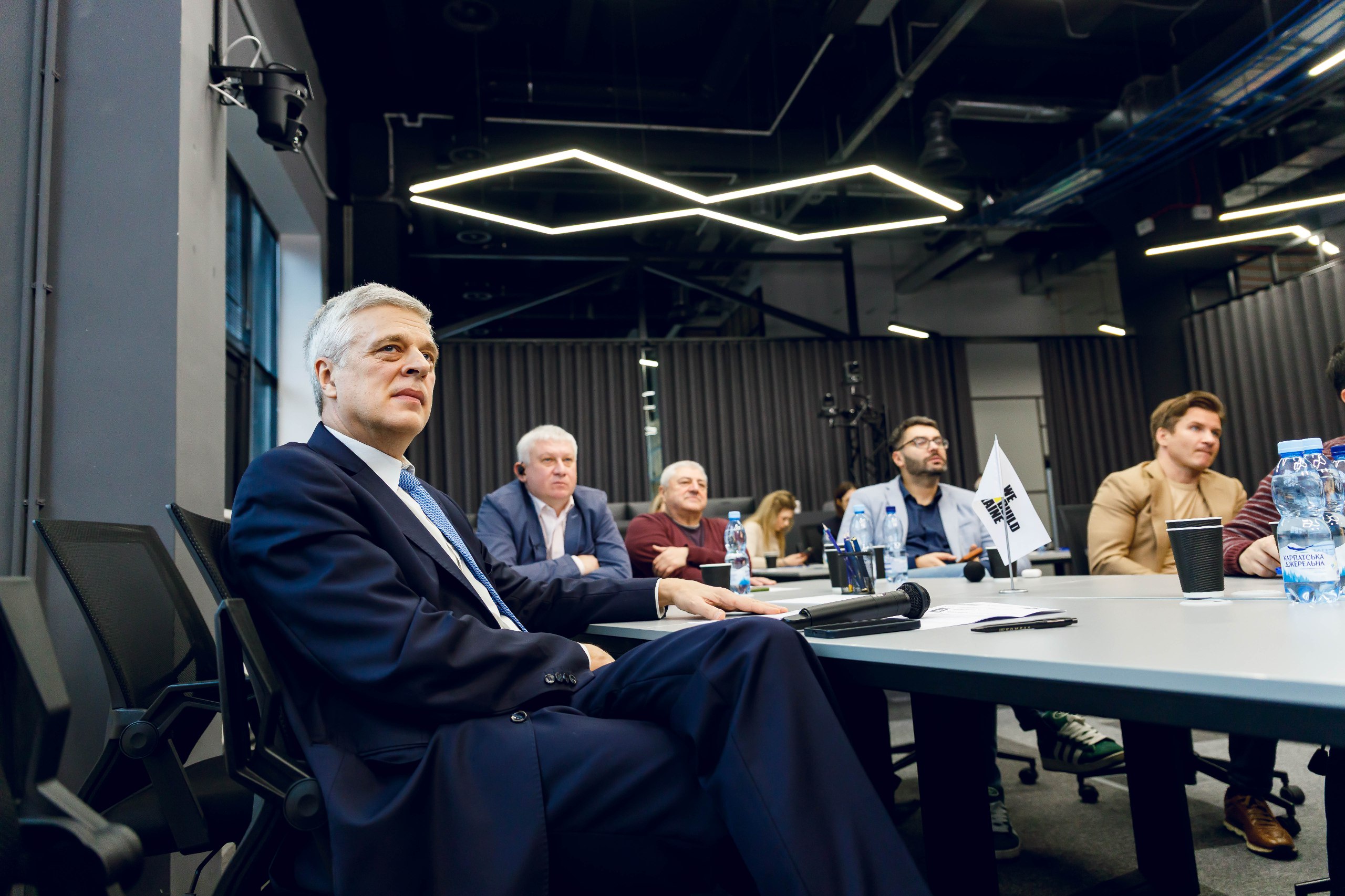
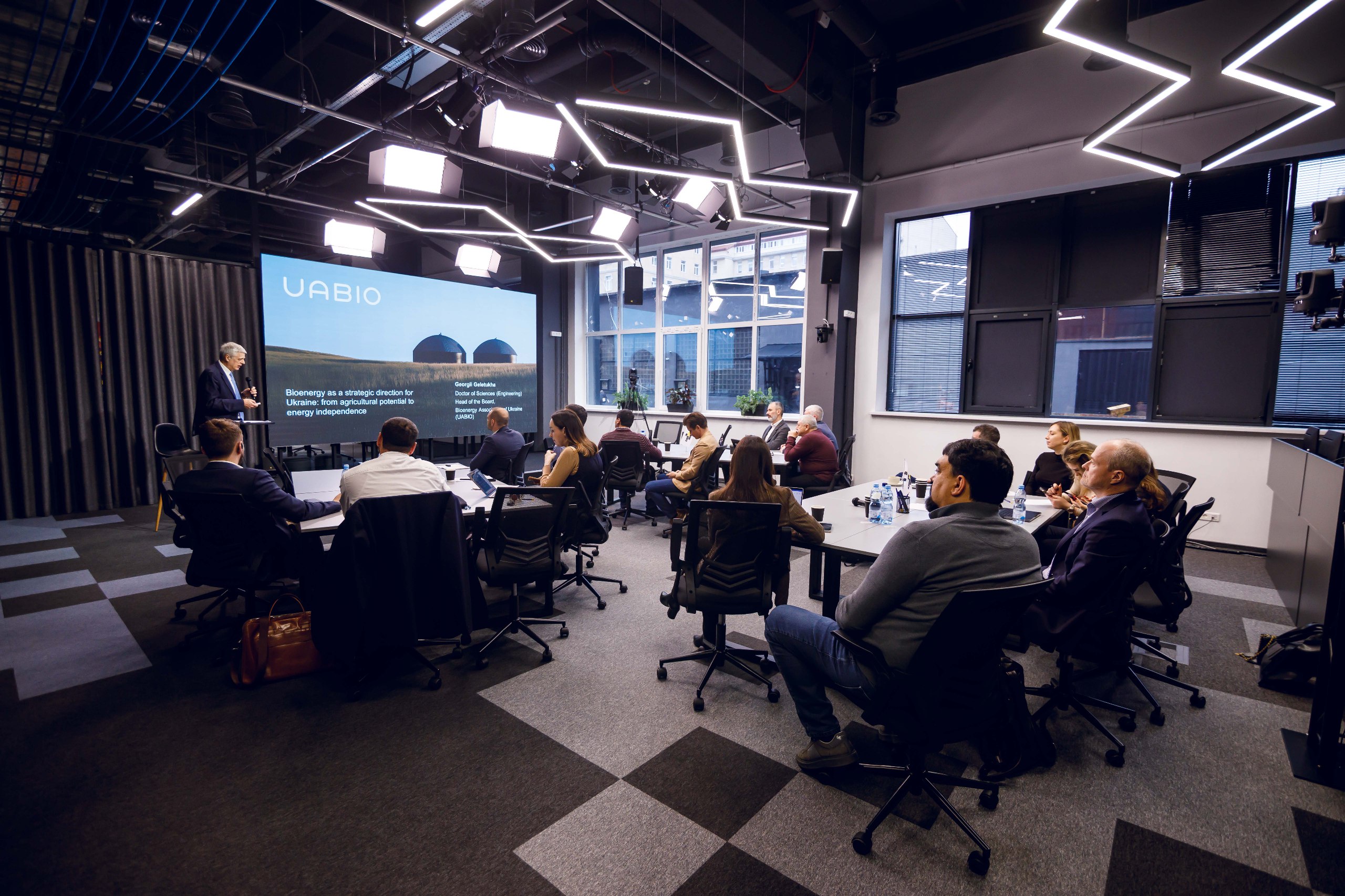
“Ukraine now has unique opportunities to become involved in decarbonisation processes, particularly in maritime transport. In this way, Ukraine can take its rightful place in the European biofuel market“, said Georgii Geletukha.
Introductory speeches
Mads Holmgaard Meyer Energy & Climate Counsellor of Embassy of Denmark in Ukraine:
“Denmark is a long-standing partner of Ukraine in the energy sector. We remain committed to Ukraine’s transition to a modern, low-emission system. Bioenergy plays a key role in this transition in many cases. That is why today’s discussion is extremely important. We need to consider not only technologies and experience at the national level, but also Ukraine’s strategic opportunities for developing a competitive sector that will meet EU demand and help shape the future of European maritime transport. With the necessary reforms, a stable regulatory framework, and targeted investments, Ukraine has the capacity to become a major producer and supplier of sustainable biofuels in Europe“.
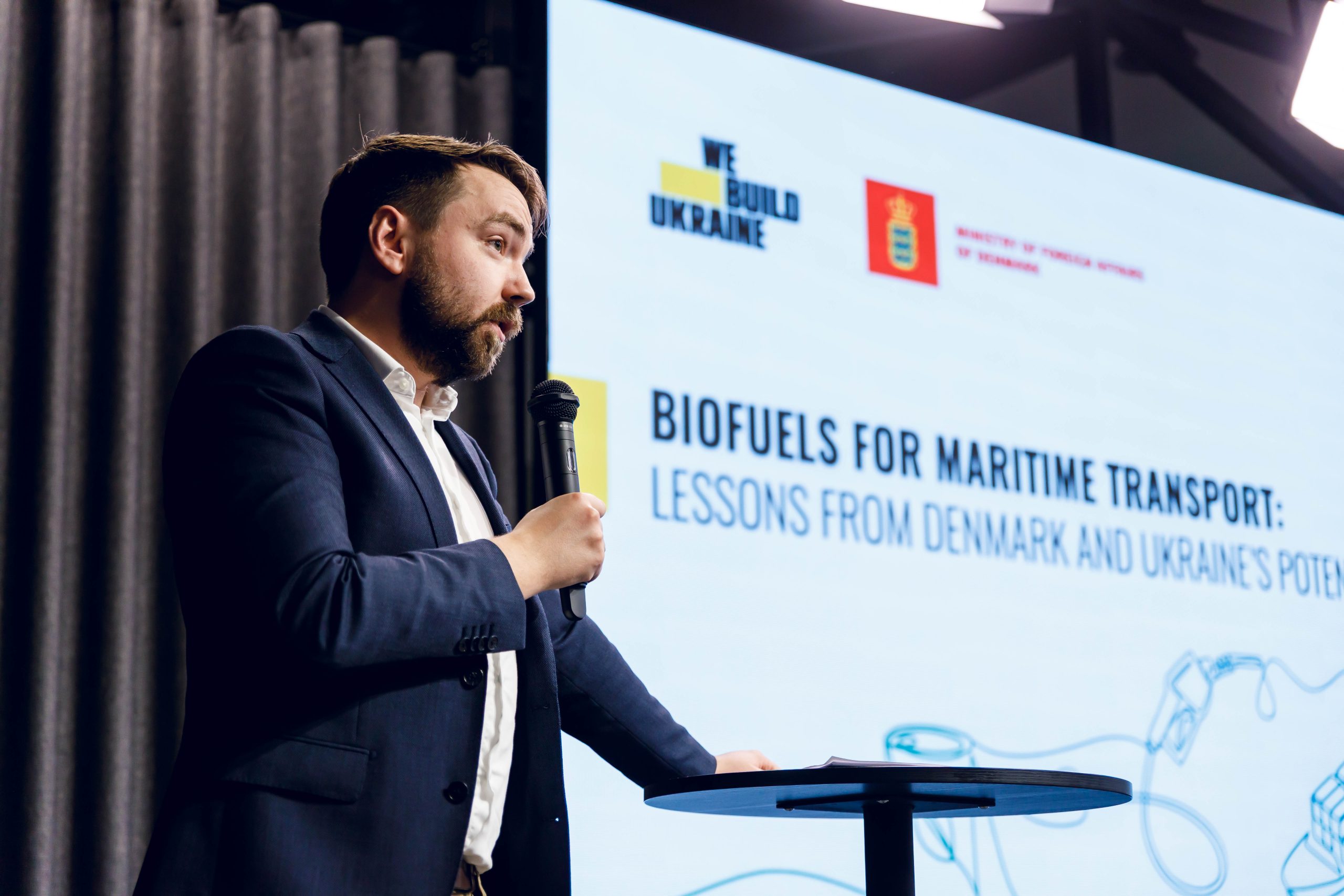
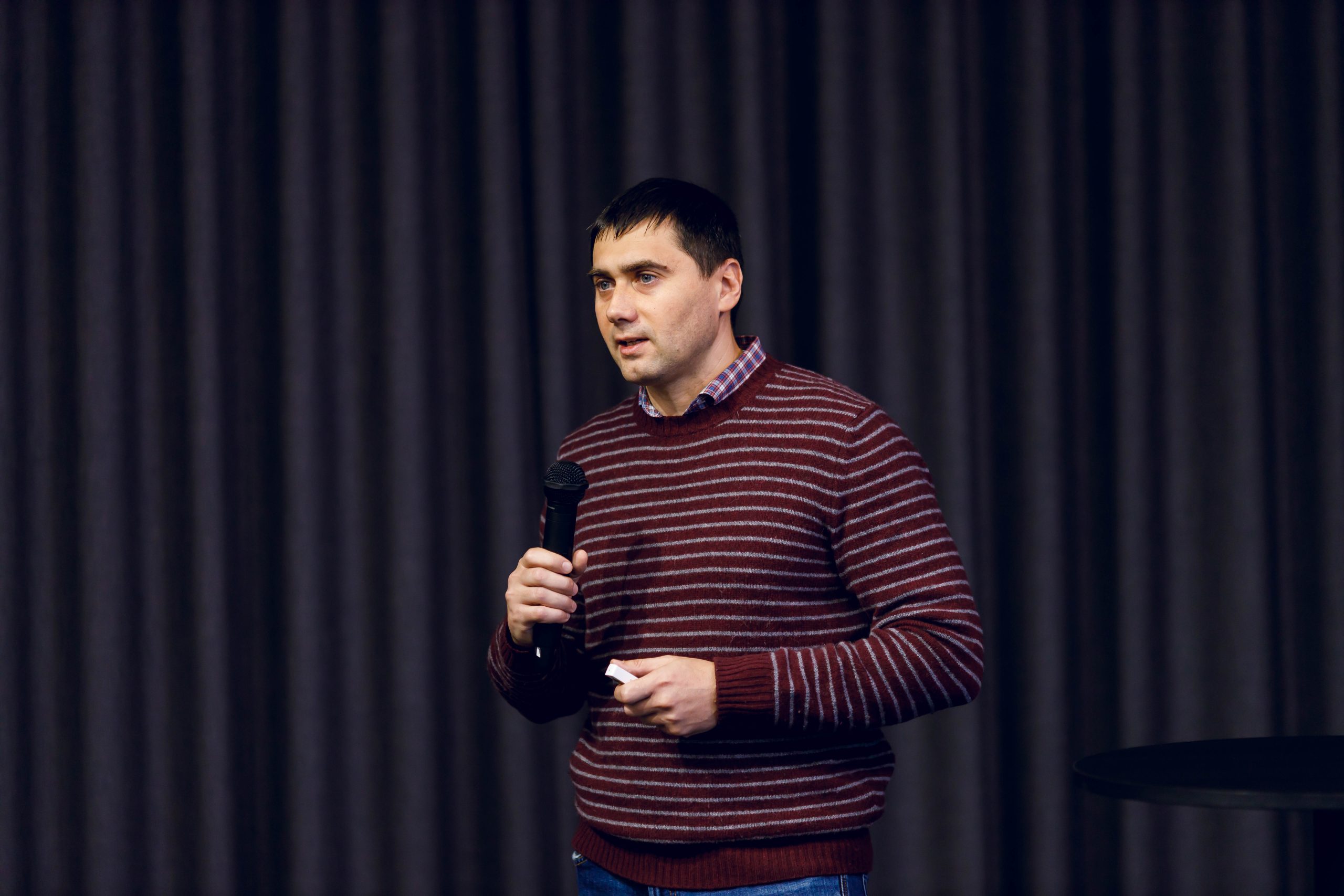
Semen Drahniev, an expert at UABIO, outlined the essence of the We Build Ukraine project. He spoke about new goals and measures for decarbonising maritime transport in Europe, penalties for non-compliance with these requirements, and alternative fuels.
“The use of liquefied biomethane (Bio-LNG) is interesting for the decarbonisation of maritime transport, as it allows greenhouse gas emissions to be reduced to below zero. Overall, Ukraine has very strong potential for producing biofuels for maritime transport and could become a regional leader in the production of green biofuels. In particular, there is an opportunity to produce liquefied biomethane, which could significantly help to decarbonise the European maritime sector”.
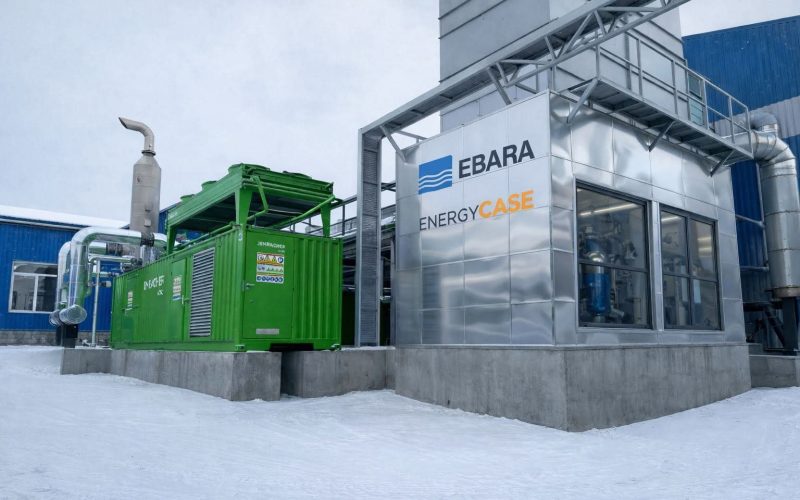
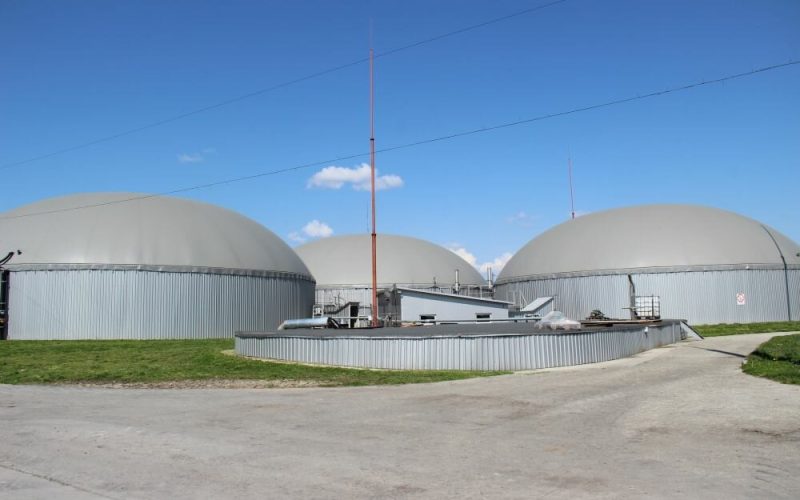
“At the end of October, a team of Ukrainian experts had the opportunity to visit Denmark as part of an interesting and useful study tour. There, we saw modern production facilities for biomethane, biomethanol, hydrotreated vegetable oil (HVO), etc. We realised that there are no technical problems today — the only issue is funding”.
Recommendations for Ukraine
Based on the results of the study, We Build Ukraine presented recommendations for the development of the biofuel sector in maritime transport in Ukraine:
Regulatory Alignment & Integration
- Integrate maritime transport into national climate law.
- Implement key EU Directives.
- Simplify procedures.
- Develop related technical regulations.
Infrastructure & supply chain investment
- Develop strategic port infrastructure (modernization of existing and build new terminals for biofuels, bio-LNG storage and bunkering).
- Scale production capacity of sustainable biomass and biofuels.
- Certification & quality control.
Economic Incentives & market creation
- Implement Carbon Pricing (similar to EU ETS).
- Financial Support Schemes.
- Establish Demand Mandates (mandatory blending quotas or set GHG intensity limits).
Partnerships, innovation & global integration
- Creation of a Maritime Green Transition Innovation Hub.
- Green corridors.
- Public-Private Partnerships (PPP).
- Innovation & collaboration.
- Leverage cargo owners.
Reports of the Ukrainian side
“Bioenergy as a Strategic Direction for Ukraine: From Agricultural Potential to Energy Independence” | Georgii Geletukha, Head of the Board, UABIO
“Global biofuel production in 2024 amounted to 160 million tonnes of oil equivalent (toe). Liquid biofuels and biogas/biomethane are among the leaders here. At the same time, maritime transport currently consumes about 300 million tonnes of toe of fuel. We can see that this is a fairly large market with very high penalties, therefore the maritime transport sector is creating significant incentives for the use of biofuels in this area“.
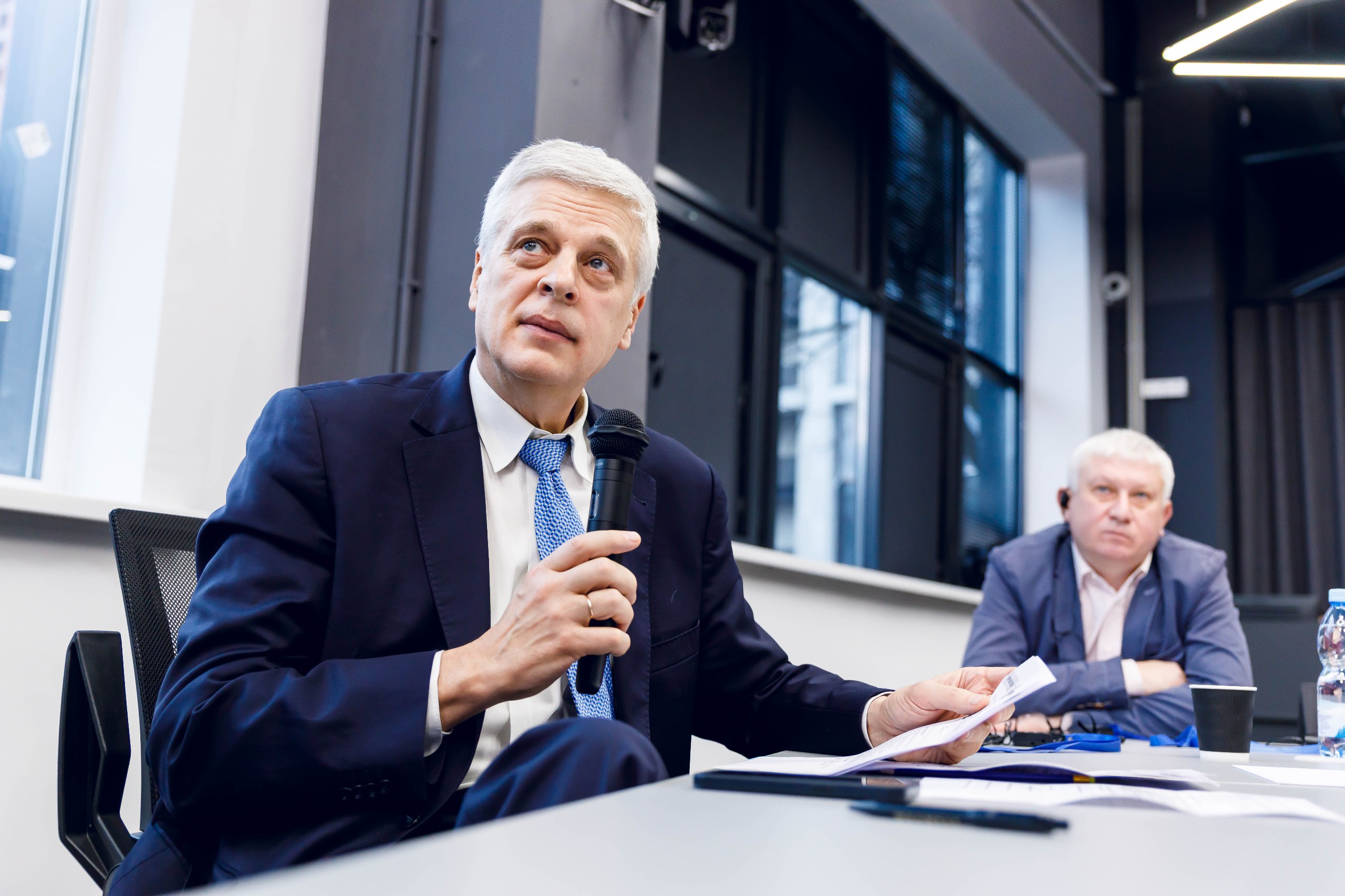
“Bio-LNG is the only biofuel that shows a negative carbon intensity value depending on the raw material. UABIO also sees a number of other advantages for using biomethane in maritime transport. In particular, there is a significantly broader raw material base of waste for biomethane production, the highest greenhouse gas (GHG) emission reduction rates, a relatively inexpensive transportation structure, one of the cheapest decarbonisation options, and the possibility of using biomethane for biomethanol production. Among the disadvantages are: short storage period at -162°C, the need for larger volumes to store this fuel, lower calorific value, and a limited number of vessels that can use biomethane”.
“The Bioethanol and Biodiesel Market in Ukraine: Where We Are Now and What is Needed for a Breakthrough” | Taras Mykolaenko, Executive Director, Ukrainian Bioethanol Producers Association
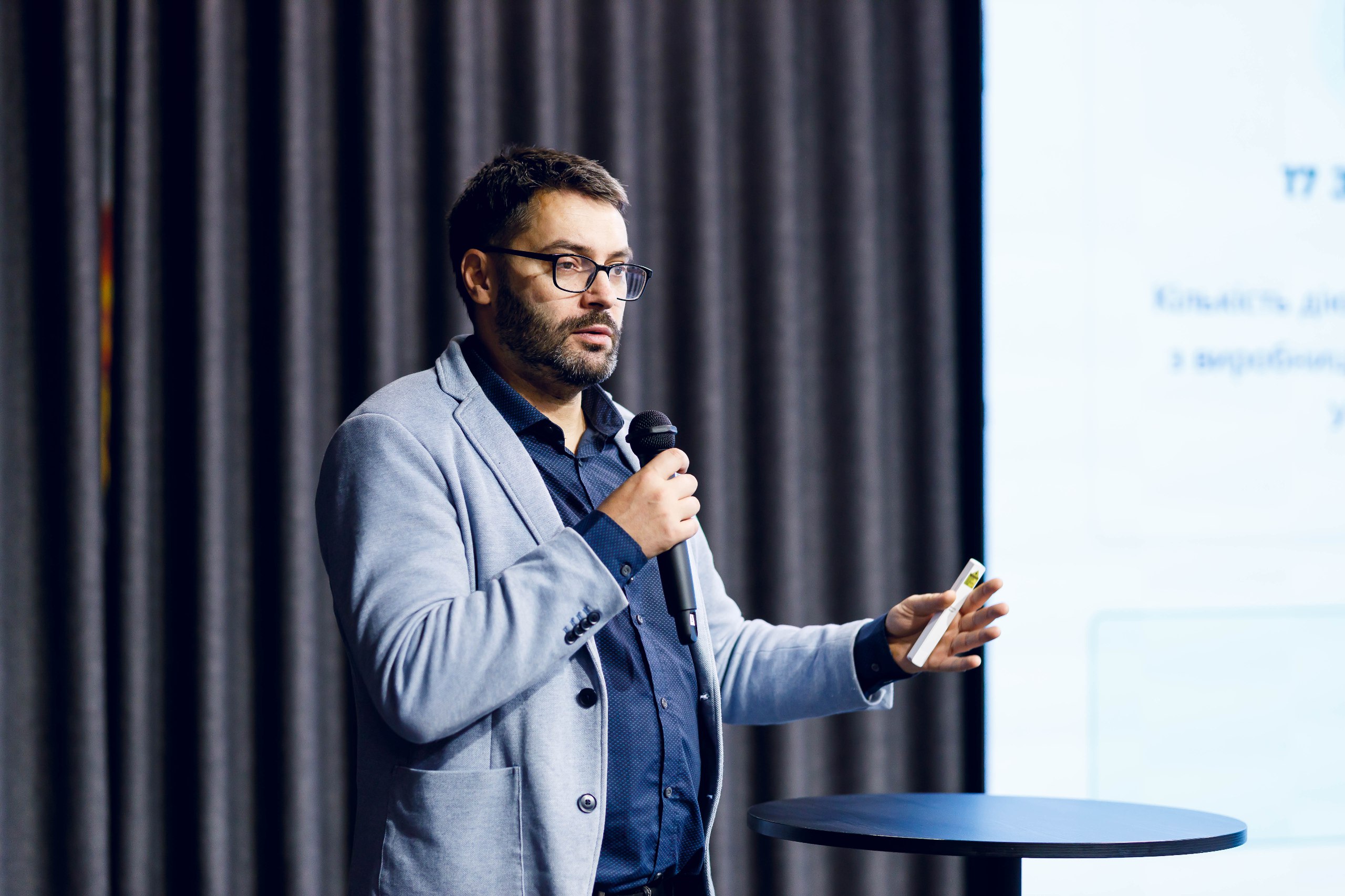
“There are currently 17 bioethanol plants in Ukraine, producing 180,000 tonnes of bioethanol. The processing volume is over 600,000 tonnes of grain and molasses. Currently, of all biofuels (used specifically in transport), bioethanol has the lowest price, which can compete with petrol. In addition, a large number of new bioethanol plants are currently being built in Ukraine. The industry is moving from stagnation to active infrastructure development”.
Presentation of two successful Ukrainian examples of biofuel development
Adomas Audickas, Deputy Chief Executive Officer of MHP for Bioenergy, Director of MHP Verdant LLC
“We already have two biomethane plants in Ukraine. At one of them, we produce Bio-LNG, but we have to liquefy it. At MHP, we would like to expand our activities, as we are confident that Ukraine has competitive advantages over European producers. This is mainly due to scale, because the biomethane economy works mainly on CAPEX — if you can reduce it, you will have a successful project, but if it is too high compared to your capabilities, the project may not succeed. In Europe, the scale is quite insignificant”.
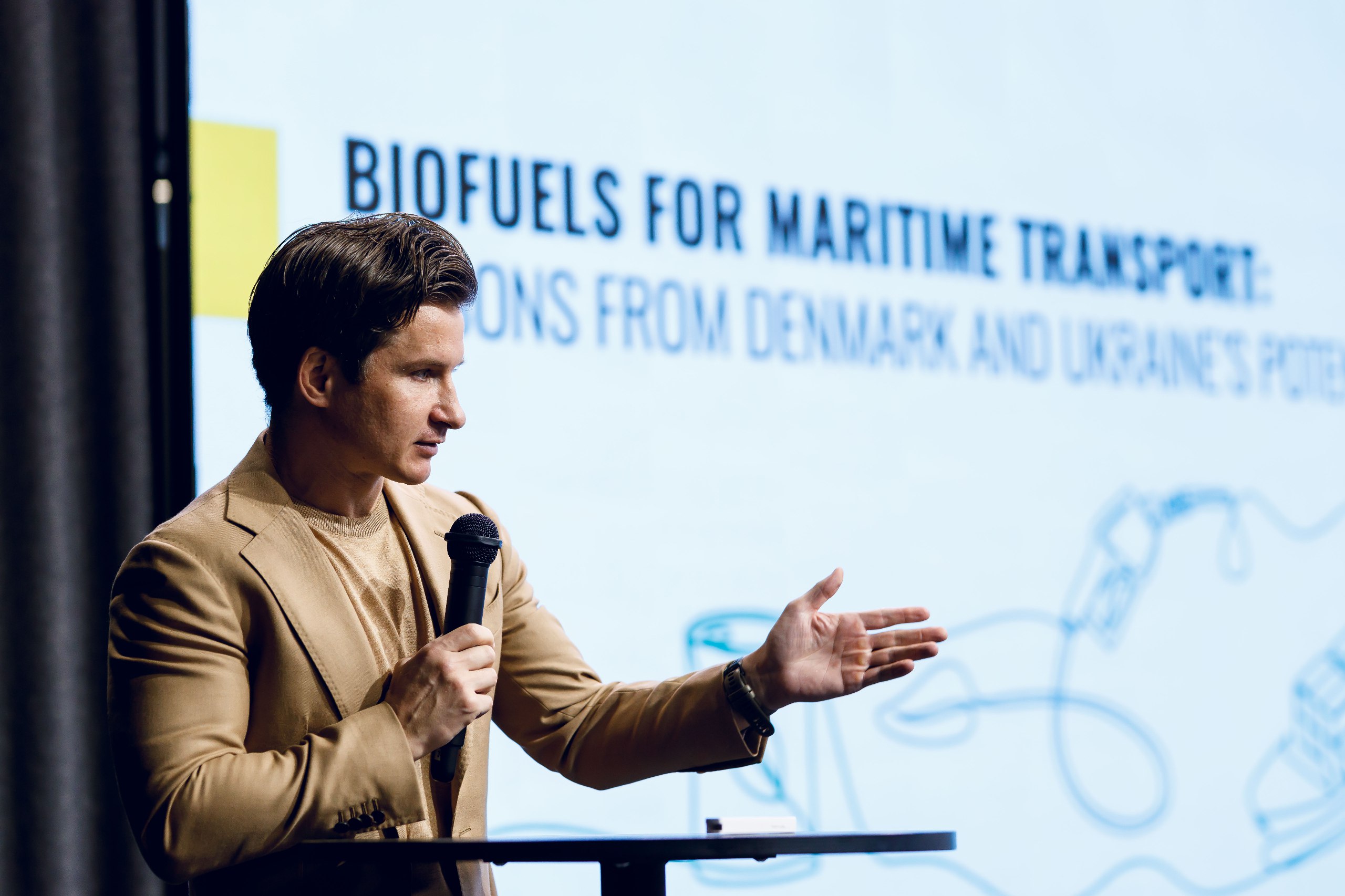
“I also encourage you to consider the biomethane industry more closely, as biodiesel and bioethanol are going through a very difficult phase. Biomethane, on the other hand, is our “blue ocean”, our new product, which has a number of competitive advantages”.
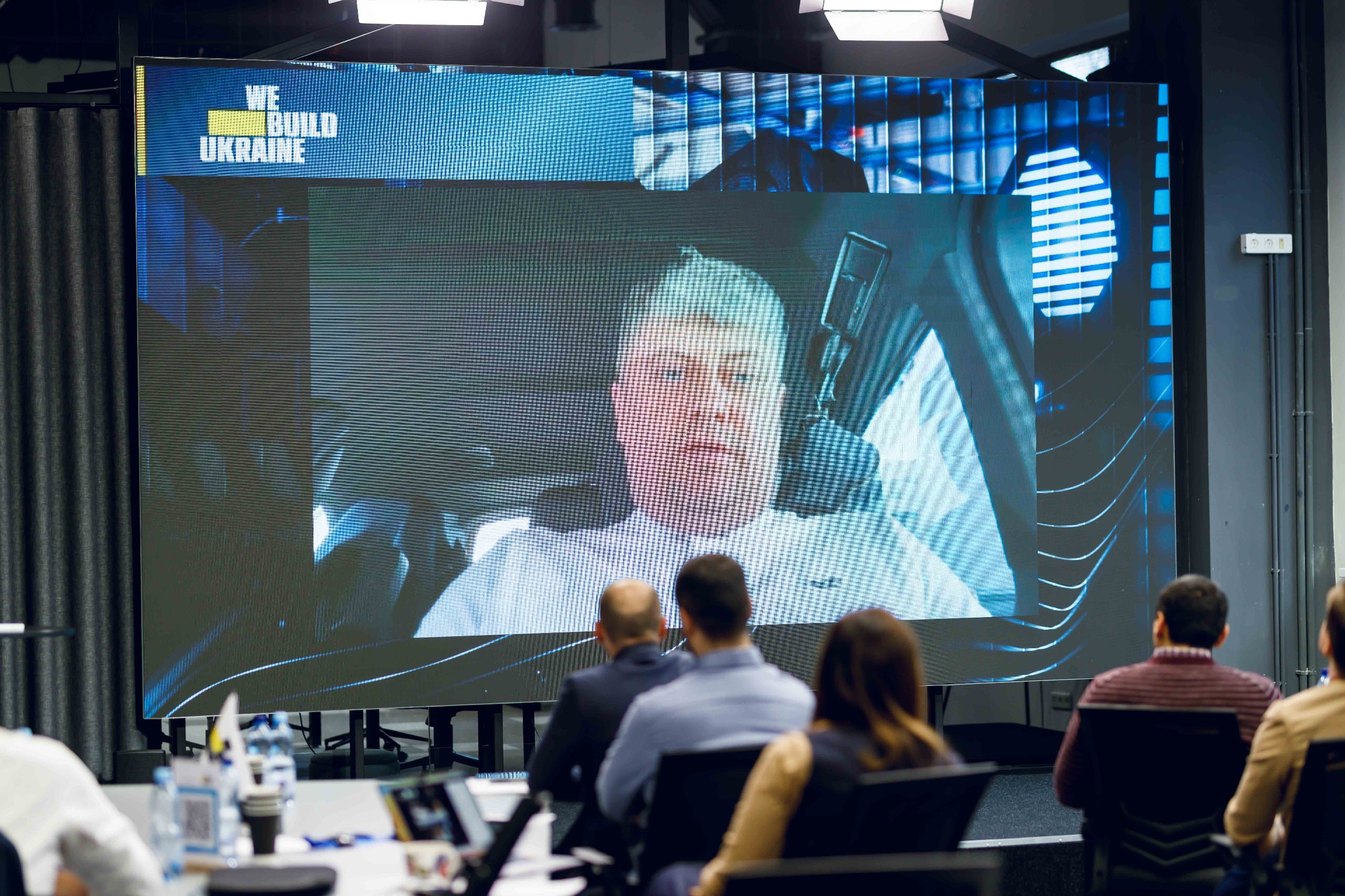
Vitaliy Golovnya, first deputy chairman of the board of Epicenter K
“Two years ago, we founded our large long-term project, which focuses on both agricultural processing and energy. It will be a carbon-neutral eco-hub covering more than 150 hectares. The first phase will cover approximately 100 hectares. We will have several large enterprises, including a plant that will process oil and oil husks. Straw from the fields will be burned in a thermal power plant, which will produce green electricity and steam for production. Next, we will have a bioethanol plant, which we plan to run on corn, molasses, and residues from the elevator industry. Next, we plan to implement a biogas plant for the production of electricity and piped biomethane (from distiller’s grains, manure, straw and certain residues from the fields). The first part will be launched in 2026, and the second in 2027-2028.”.
Reports of the Danish side
“Insights to Port of Aalborgs transition journey towards becoming an Energy Transition Hub” | Jesper Raakjær, Group Chief Visionary Officer, Professor, Port of Aalborg
“Seaports are becoming hubs for the energy transition due to their strategic location (they are located at the intersection of maritime and land transport, making them ideal for energy storage, distribution and production), their role in decarbonisation (they can host renewable energy production facilities), and they offer certain economic opportunities (transforming ports into energy hubs creates new jobs, attracts investment and strengthens energy security)”.
“Our port of Aalborg aims to become an energy hub and a ‘green’ port. Currently, 2.86 million m2 of the port area has been allocated to wind energy companies, with the potential for further expansion by another 1.5 million m2“.
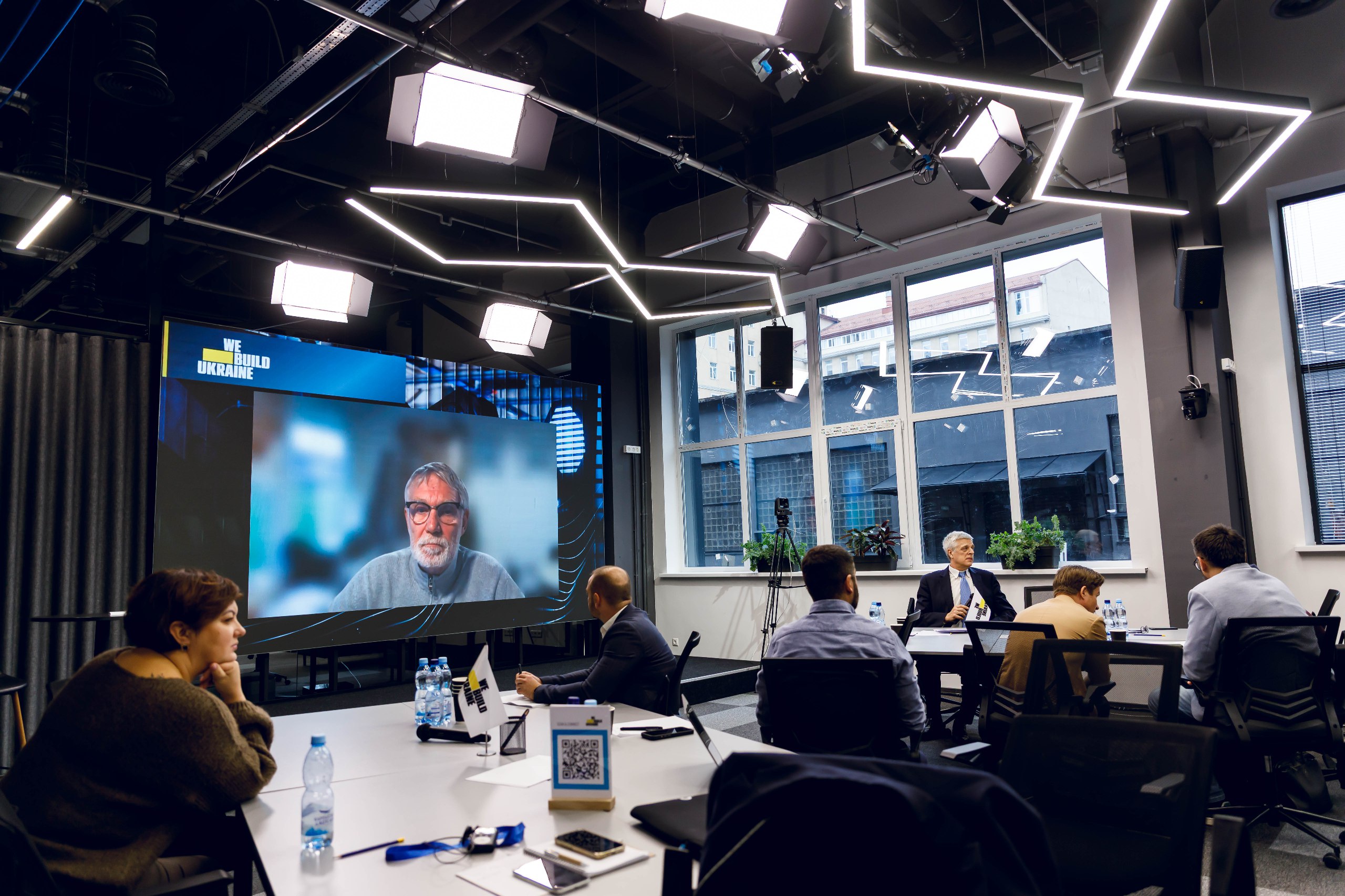
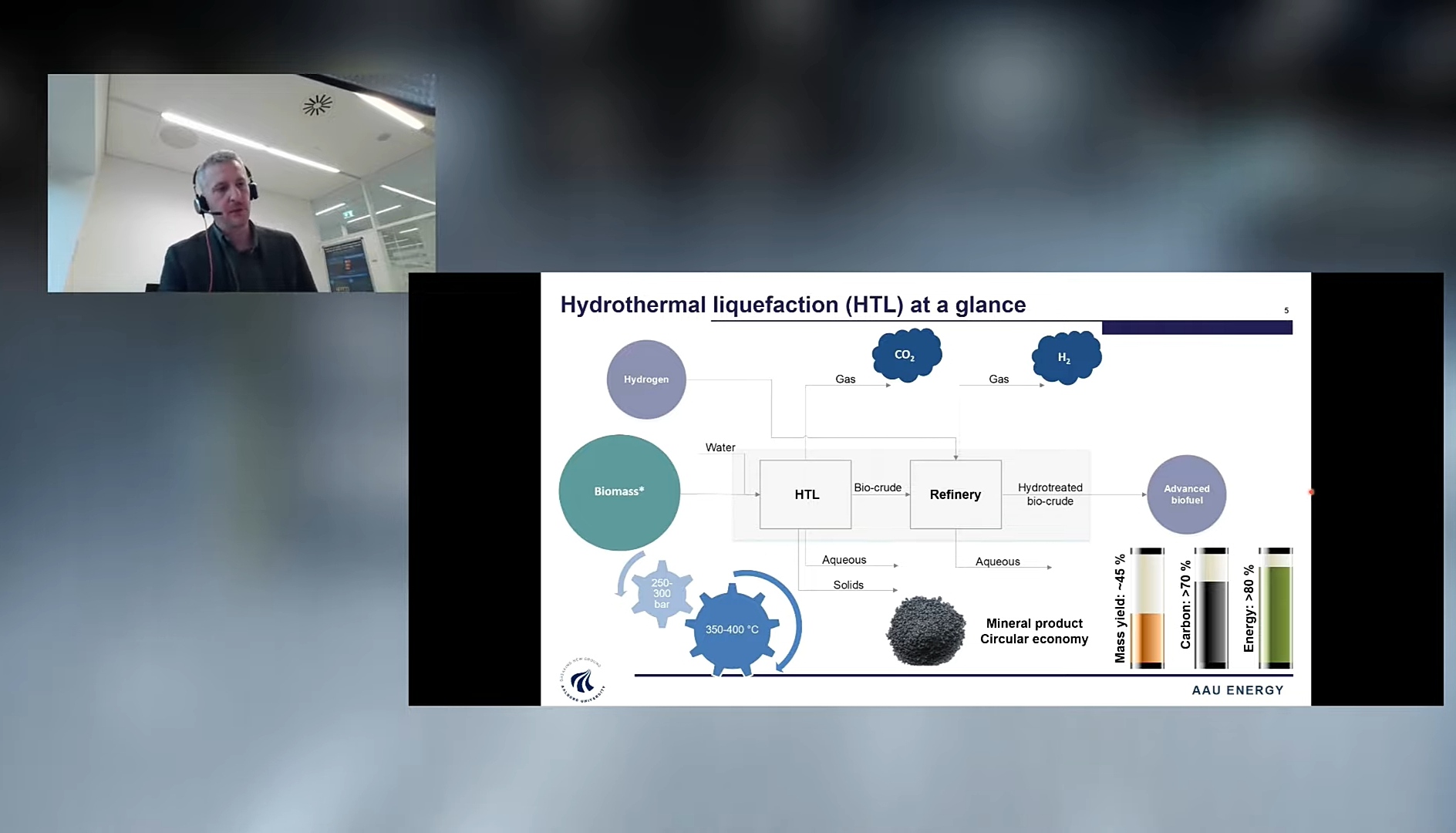
“The Science Behind Biofuels: Technological Solutions for Maritime Decarbonization” | Thomas Helmer Pedersen, Professor, Head of Advanced Biofuel Research, Aalborg University
“Why should we even consider biofuels? First of all, we need to reduce the effects of climate change. We need to replace fossil fuels with renewable ones, and the key advantage of biofuels is that they are cheaper than e-fuels. Personally, we are engaged in hydrothermal liquefaction — chemically converting (under high temperature and pressure using water) any biomass into an intermediate product (bio-raw material, as I call it), and then converting it into biofuel”.
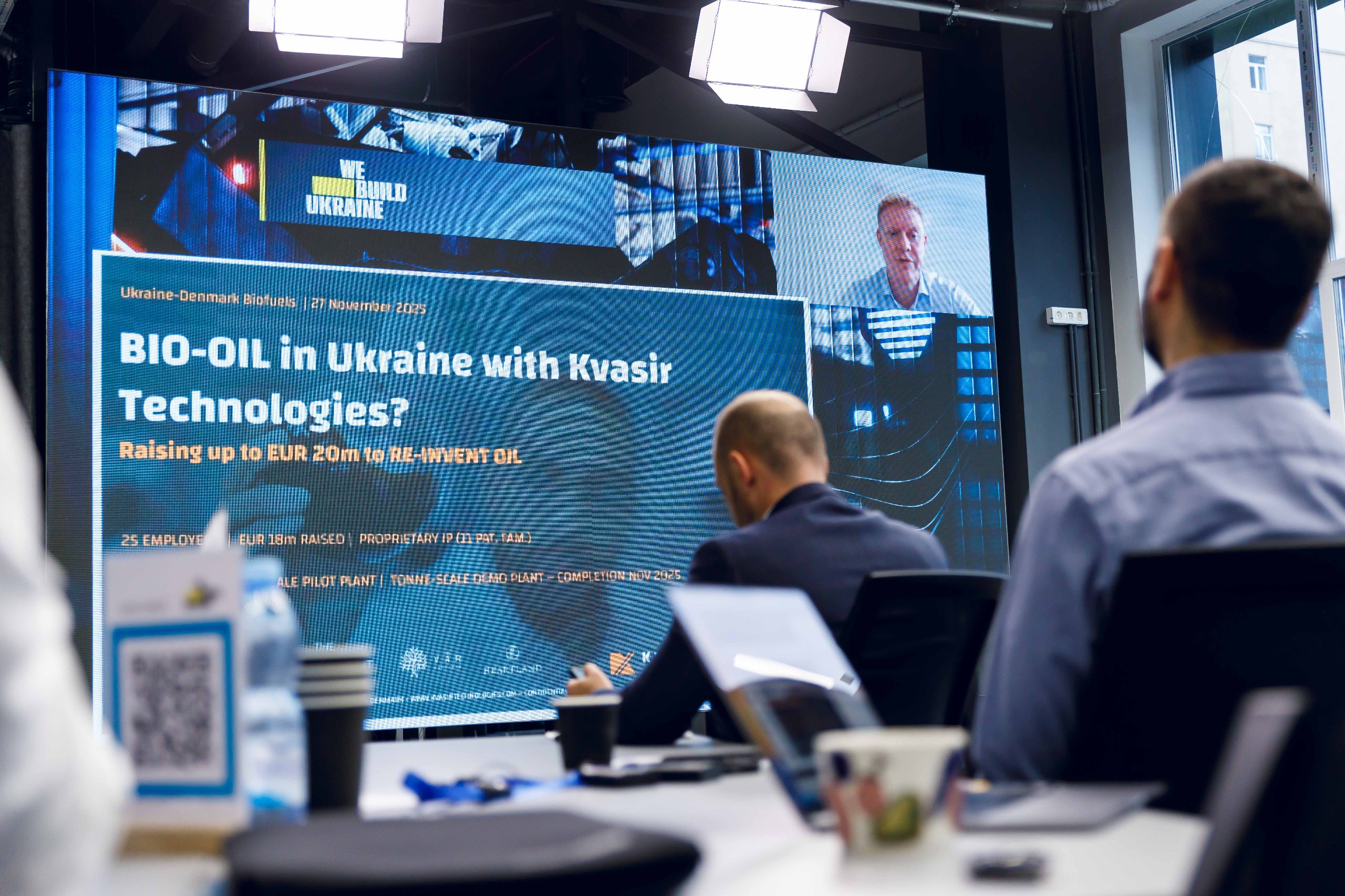
“BIO-OIL in Ukraine with Kvasir Technologies” | Ulrik Falkenberg Lending, CCO, Chief Commercial Officer of Kvasir Technologies
“We don’t use water to produce Bio-Oil. We take biomass, which is water-soluble, and convert it into our oil. In other words, if we use biomass that is soluble in oil, we get what we want. All this is controlled by both the heating process and pressure. We also add a small amount of ethanol to our process, so we get very good bio-oil at the end, and under favourable conditions, it performs very well”.
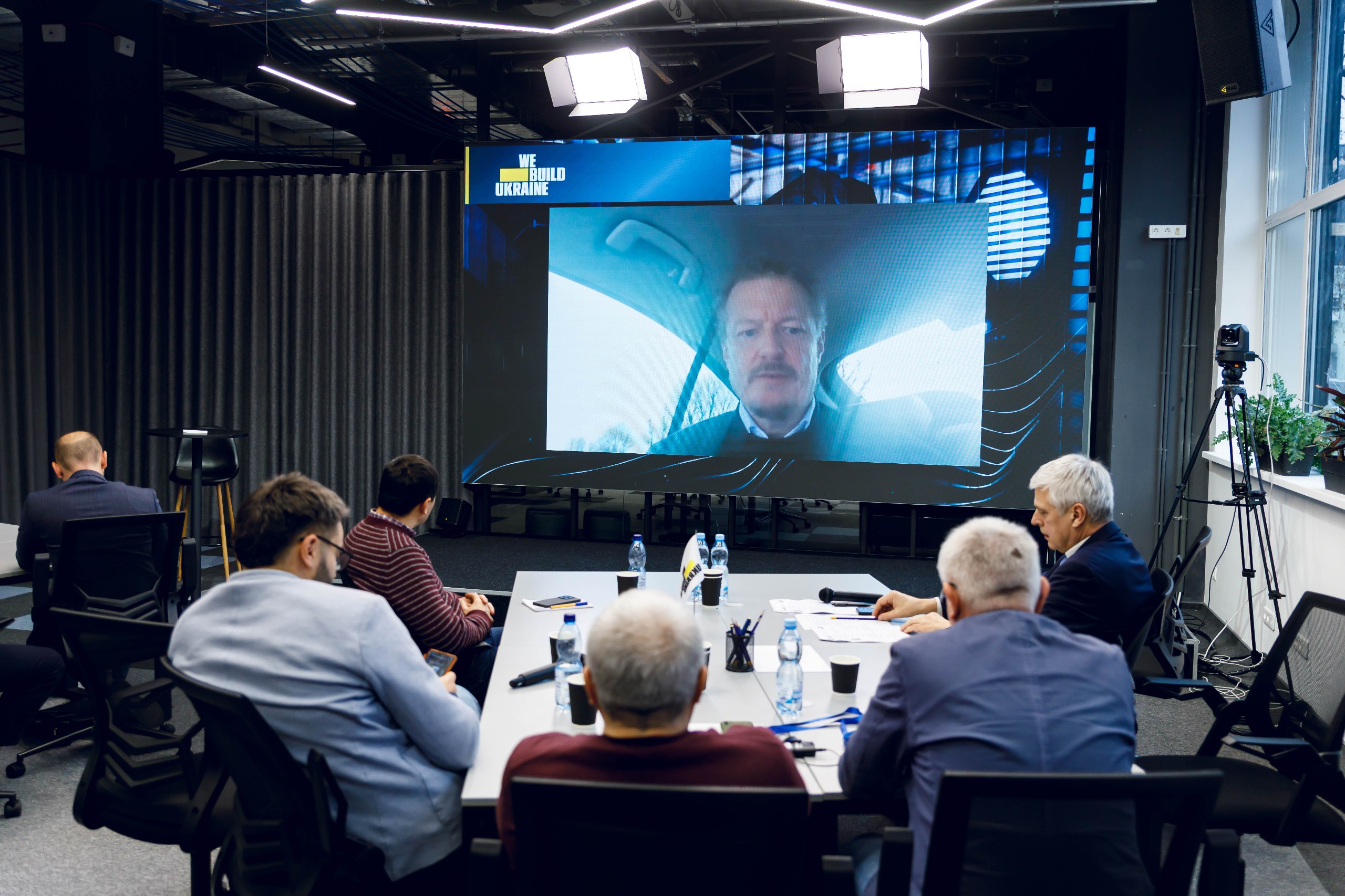
“EIFO’s financial instruments for Ukraine” | Kåre Stamer Andreasen, Finance Director Ukraine office of Danish Export and Credit Agency, EIFO
“We have allocated €1 billion for the restoration of critical infrastructure in Ukraine, as well as for the restoration of the Ukrainian economy. Over the past two years, we have provided loan guarantees worth around €500 million for 24 different projects. Ukraine has a lot of biomass, so there are a number of Ukrainian private companies considering purchasing equipment from Denmark for the production of bioethanol and possibly biomethane. Thus, in the green energy sector, we can provide loans with a repayment period of up to 22 years. Moreover, in the first two years after completion of construction, you do not have to repay the loan”.
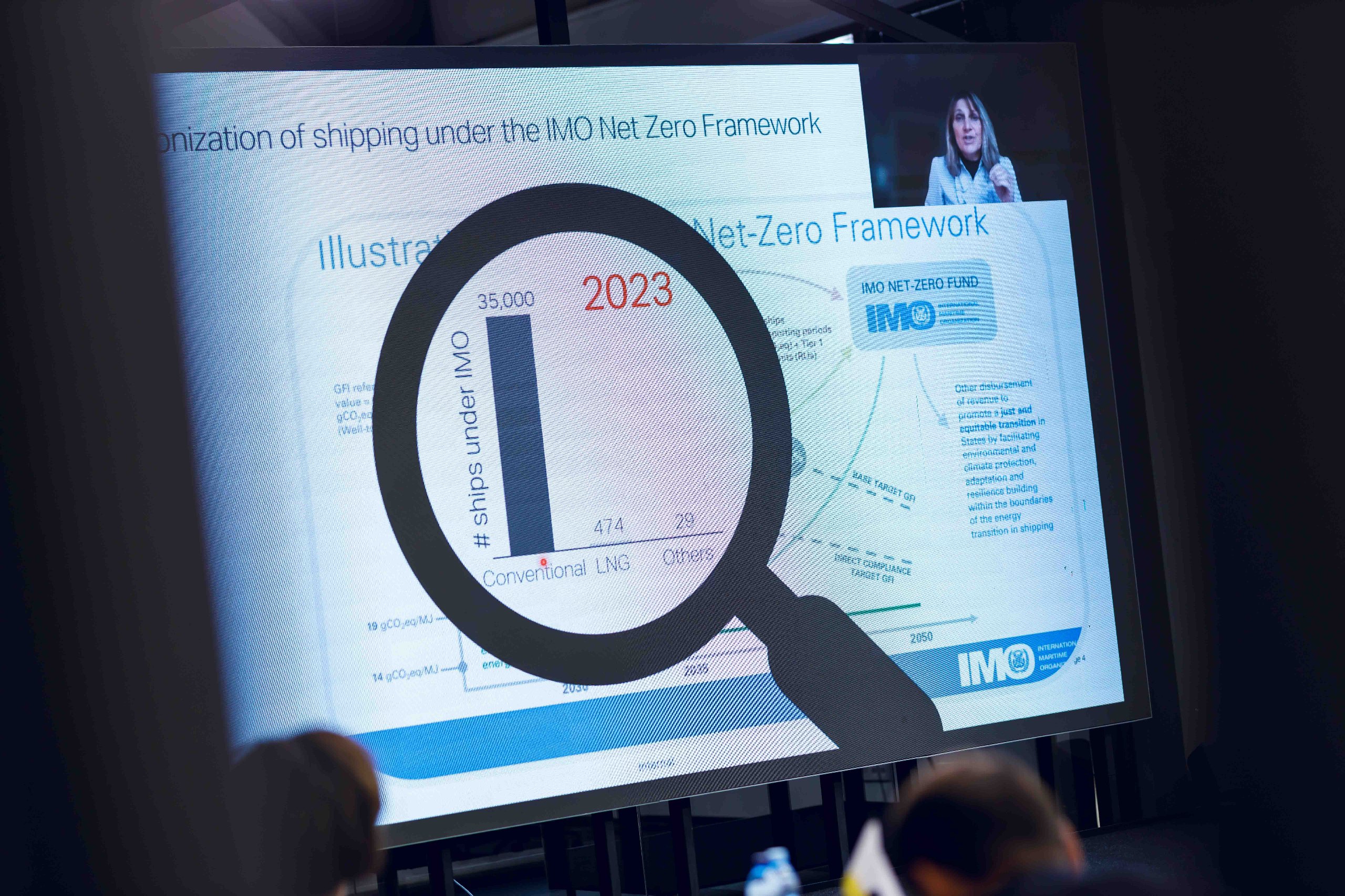
“Transition to Green Fuels: Global Strategy and Partnerships” | Roberta Cenni, Representative of Mærsk Mc-Kinney Møller Center for Zero Carbon Shipping
“Greenhouse gas emissions (including CO₂) are one of the main causes of global warming, and maritime transport is a significant source of emissions — 900 million tonnes of CO₂ annually. Biofuels can help to gradually decarbonise this sector. In my opinion, biomethane currently has the greatest potential in Ukraine and is the most promising for export to the EU and Denmark in particular”.
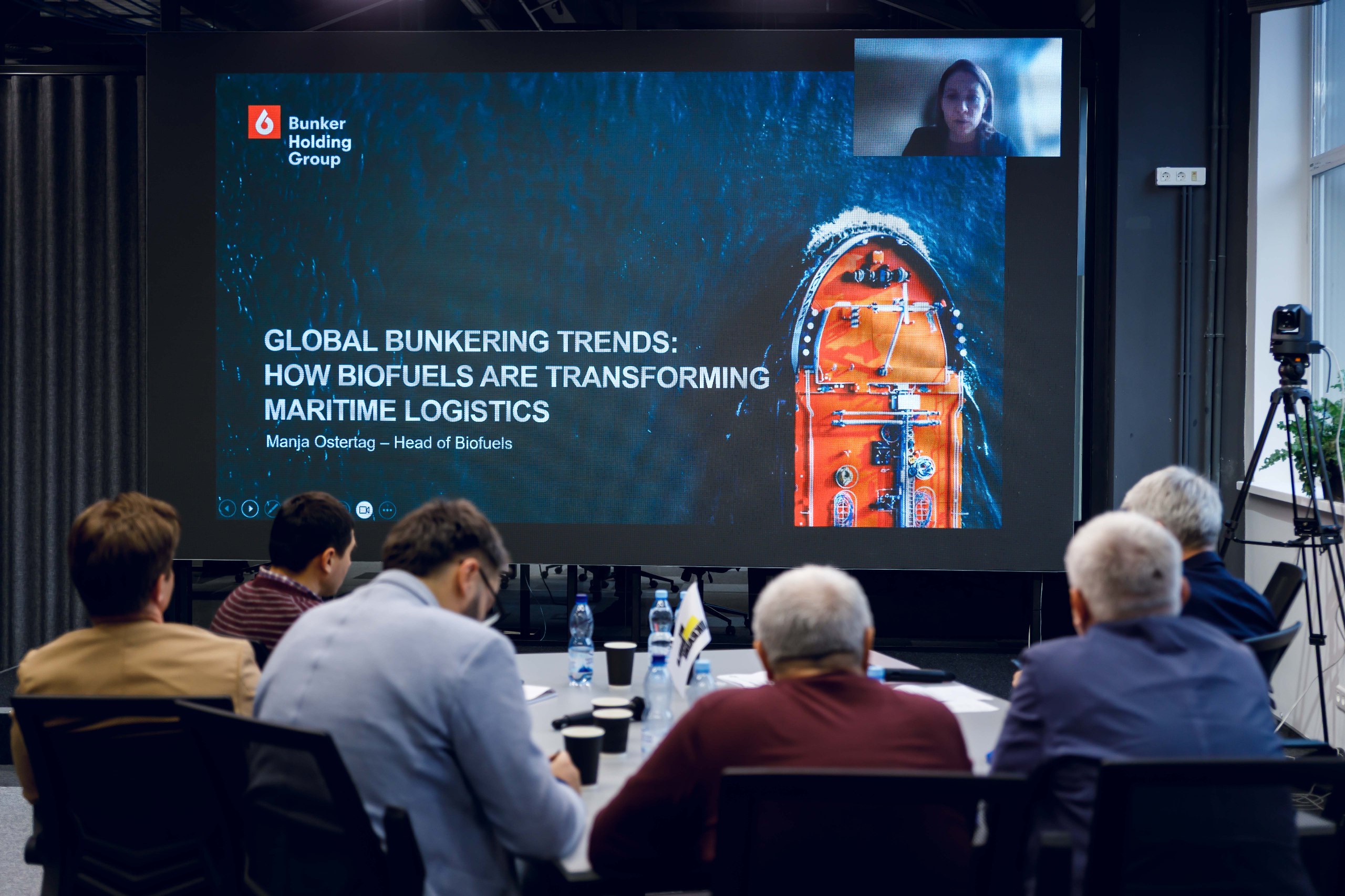
“Global Bunkering Trends: How Biofuels are Transforming Maritime Logistics” | Manja Ostertag, Head of Biofuels, Bunker One
“It is very important for Ukraine to understand what will be most expedient for the aviation and maritime industries. It is also necessary to consider the challenges and opportunities for transitioning to biofuels, in particular, it is necessary to understand all regulatory requirements and their impact on business. It is equally important to work with reliable suppliers who follow the recommendations of original equipment manufacturers (OEMs), provide technical support in fuel management and ensure reliable product quality, as well as compliance with regulatory requirements. It is also necessary to be aware of the various indicators of greenhouse gas emissions savings and calorific value and to compare prices accordingly”.
Event summary by Georgii Geletukha
After the presentations and discussion, the chairman of the UABIO board summarised the event and shared his own vision of decarbonisation issues:
“Ukraine now has a unique opportunity to become involved in the decarbonisation of maritime transport. We are the largest agricultural country in Europe with the largest resources, and there will be competition for these resources. The largest competition is expected in aviation (i.e. aviation will be able to pay even more for biofuels produced from the same raw materials), followed by maritime transport. I think we need to learn how to produce all biofuels from waste, because that is what is most valued. In my opinion, we need to fit into this process of global competition, because we have good prerequisites for this. Thus, Ukraine will be able to take its worthy place in the biofuel market in Europe“.
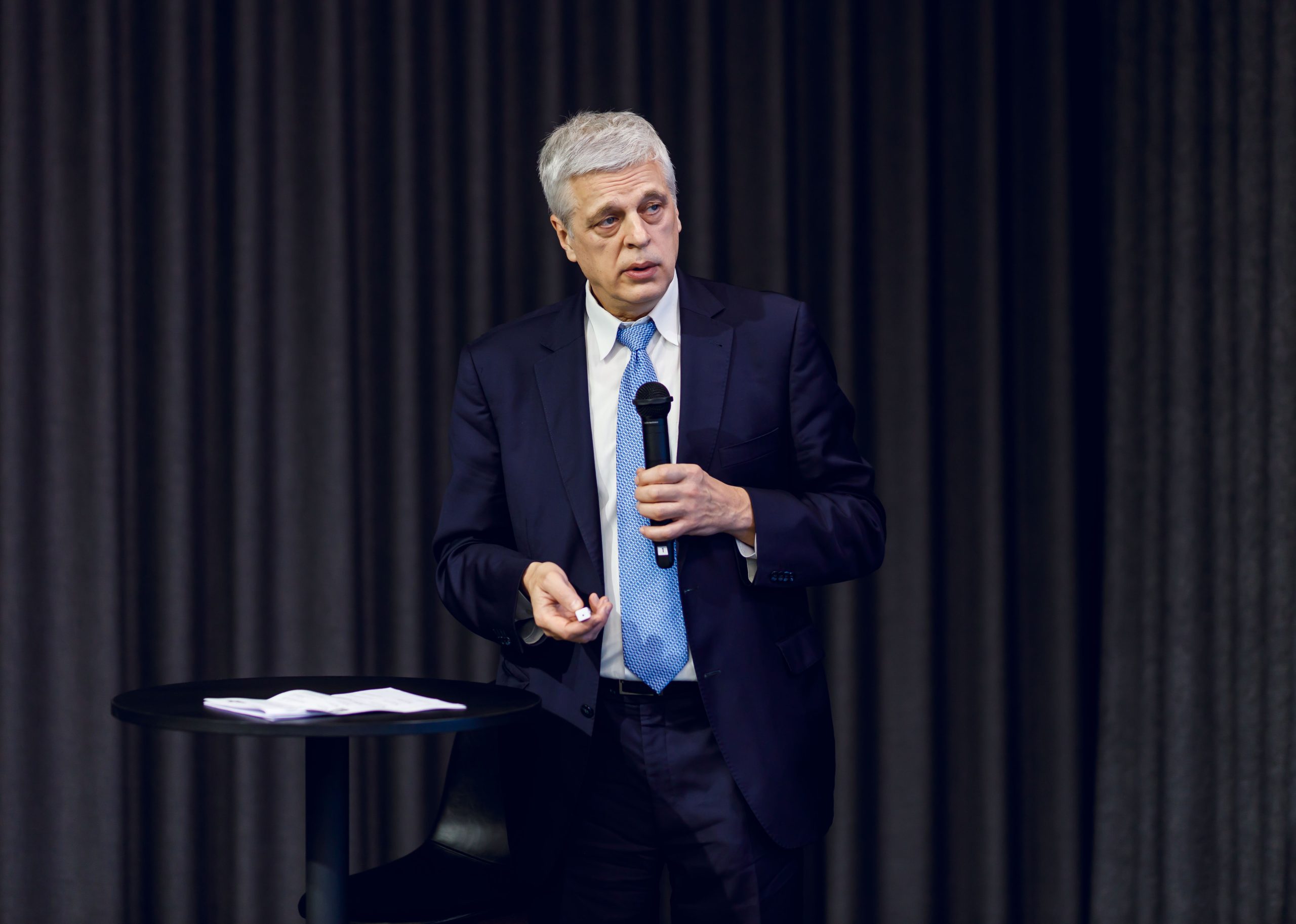
The Bioenergy Association of Ukraine expresses its sincere gratitude to the NGO We Build Ukraine for organising this important and professional discussion. Denmark’s experience in biofuel production and transport decarbonisation will be valuable for the implementation of similar initiatives in Ukraine.
We would like to remind you that last month, the NGO We Build Ukraine organised a trip for a Ukrainian delegation to Denmark with the participation of the Port of Aalborg, Denmark, and the Embassy of Denmark in Ukraine. The trip was dedicated to exploring opportunities for cooperation between Denmark and Ukraine in the use of biofuels for maritime transport. We recommend reviewing the materials from this trip: