Ukrainian biomethane for the German market: barriers and prospects
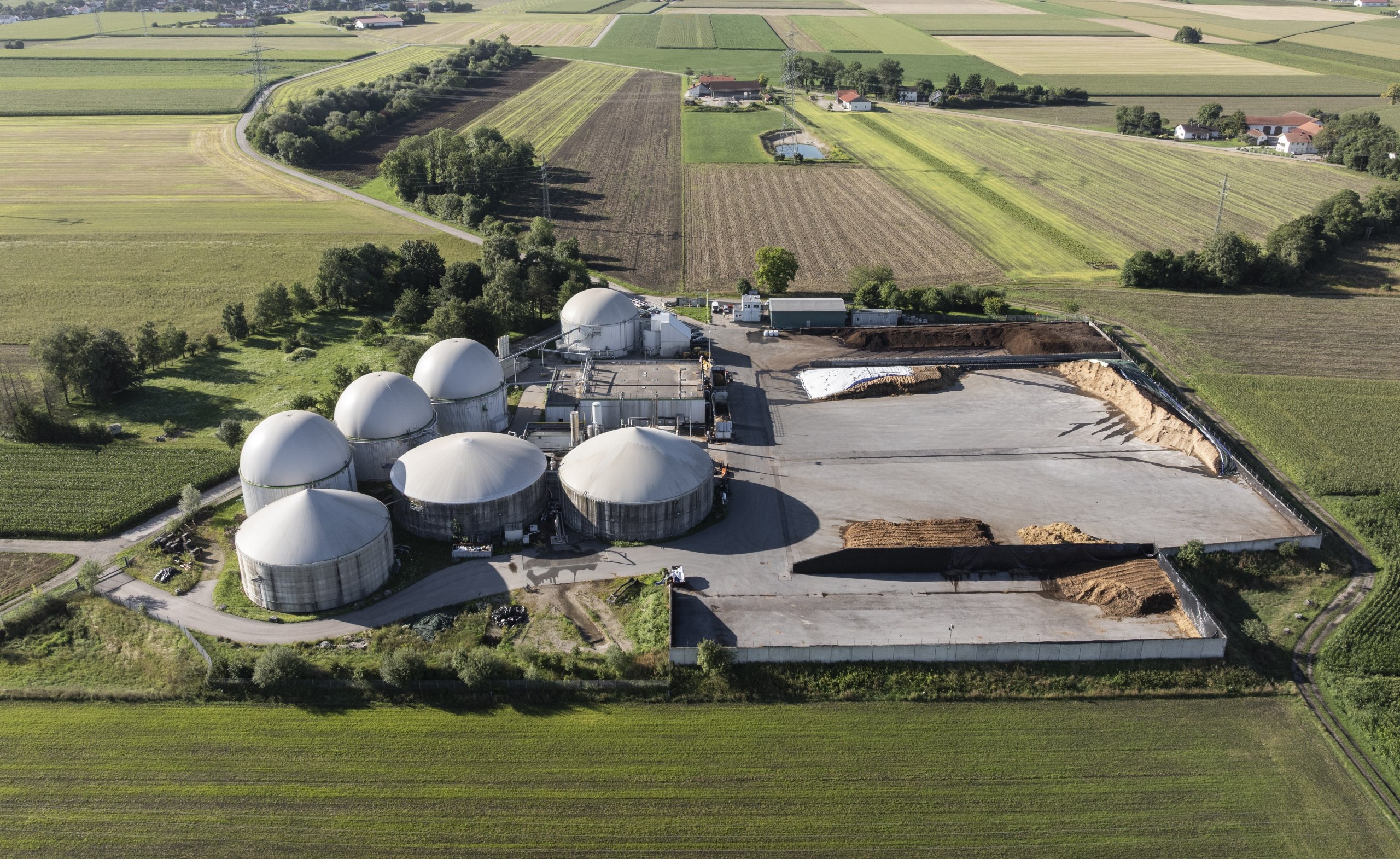
With the energy crisis and the EU’s ambitious climate goals, Ukraine has come into the German government’s spotlight as a potential “biomethane hub.” A new article from Deutsche Welle (DW) explores whether Ukrainian “green” gas could become a viable alternative to fossil fuels in German households.
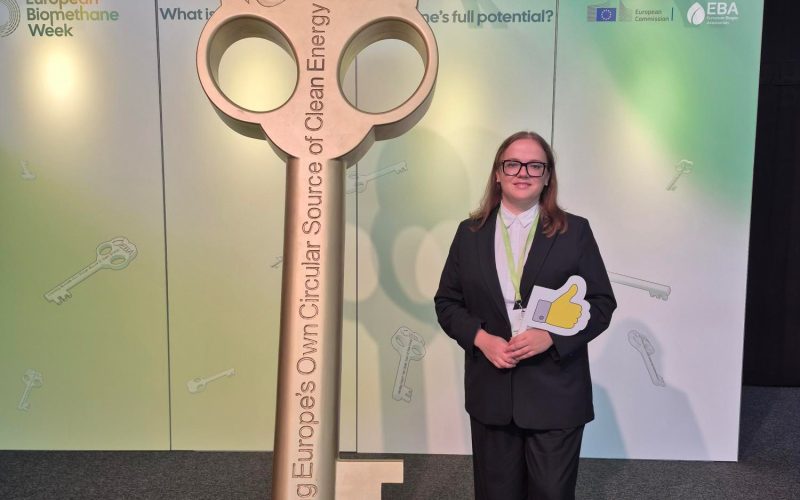
In this article, Georgii Geletukha, Chairman of the Board of UABIO, and Volodymyr Ivakhiv, Head of the Renewable Energy Project at the VITAGRO Group, shared their perspectives on biomethane exports to Germany.
Germany’s plans for “green” heating
Germany aims to achieve climate neutrality by 2050 — the heating sector is one of the key areas. Starting in 2028, German energy companies will be required to replace a portion of fossil fuels with renewable energy. Specifically, starting in 2029, when installing new gas or oil-fired heating systems, the use of at least 10% carbon-neutral fuel will be mandatory.
Federal Minister of Economics Katherina Reiche views Ukraine as a strategic partner capable of supplying large volumes of biomethane to meet this demand.
Barriers to export
Despite technical readiness, the main obstacle to exports remains the lack of a clear regulatory framework in the EU for fuel from third countries.
Volodymyr Ivakhiv emphasizes that biomethane is not just gas, but also the accompanying documentation that verifies its origin. Currently, the rules governing the use of sustainability certificates and guarantees of origin for Ukrainian gas have not yet been fully established in the European market.
Georgii Geletukha (UABIO): “Right now, the German market is essentially closed to Ukrainian biomethane by law. In other words, you can buy it, but the greenhouse gas reductions achieved through its use won’t be credited to you. And without that, there’s no point in buying it. The ball is now in Germany’s court; they need to remove this barrier”.
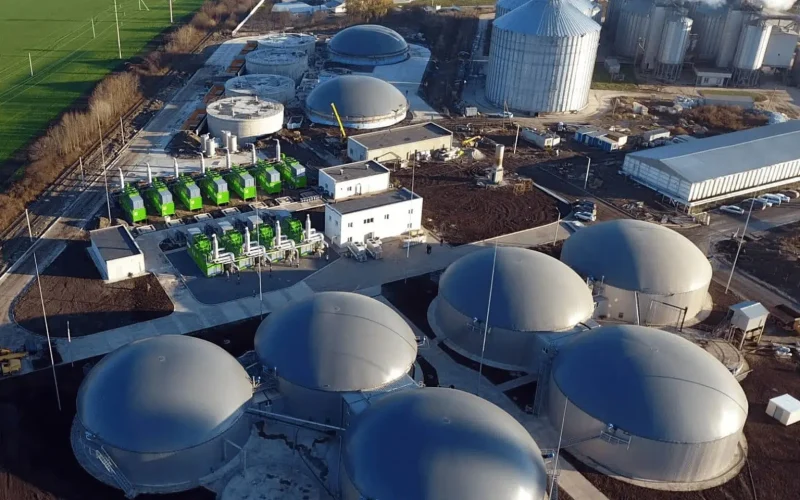
Back in February 2025, Ukraine exported biomethane to Germany for the first time. However, that delivery was more of a test for the market. For now, according to the Chairman of the Board of UABIO, a significant amount of the biomethane produced is being injected into Ukrainian gas storage facilities in anticipation of the market opening.
The views of German experts
German experts have mixed views on the long-term prospects for Ukrainian exports. Lars Handrich (DIW Econ) notes that Ukrainian biomethane is competitive only due to temporarily high prices in the EU and carbon taxes — after the war, this advantage may disappear. At the same time, Sandra Rosteck (German Biogas Association) warns: purchasing Ukrainian biomethane will only make sense if Germany significantly increases the share of “green” gases used for heating. After all, the German market can fully meet the initially planned volume of 1% through its own production.
The most skeptical is Hans Josef Fell (Energy Watch Group), who believes that relying on gas is a mistake, as the German heating market is “rapidly being electrified.” His main message: Ukraine should not count on this business in the future, but rather use biomethane for its own energy security (to ensure stability during winter peaks and russian attacks).