Digestate in Europe: a new report and webinar by the European Biogas Association
Digestate is increasingly recognized as a strategic solution for ensuring nutrient circularity, soil health, and enhancing the resilience of European agriculture.
On May 20, the European Biogas Association (EBA) held an important webinar dedicated to the presentation of the new analytical report, “Digestate in Europe: the state of play in 2026”. During the discussion, European experts examined the current role and future potential of digestate within Europe’s circular bioeconomy.
The webinar “From co-product to strategic resource: The role of digestate in Europe’s circular economy” policymakers, industry representatives, and agricultural stakeholders to discuss how Europe can better unlock the value of digestate in line with its climate, soil, circular economy, and strategic autonomy objectives.
Key topics of the webinar
- The main findings of EBA’s new digestate white paper.
- Digestate’s role in nutrient circularity, soil health, and fertiliser substitution.
- Market and operational realities, including logistics, storage, and upgrading.
- Policy and regulatory conditions needed to support wider uptake.
- Practical perspectives from industry and agricultural stakeholders.
The event featured speakers from the European Biogas Association; Policy Officer for Soil Nutrients and Water Resilience in DG AGRI, European Commission; the Technical Director of Biogas Danmark, as well as the Environmental Technology and Management Deputy Director, Biogas Solutions Research Center at Linköping University.
Download the webinar presentation
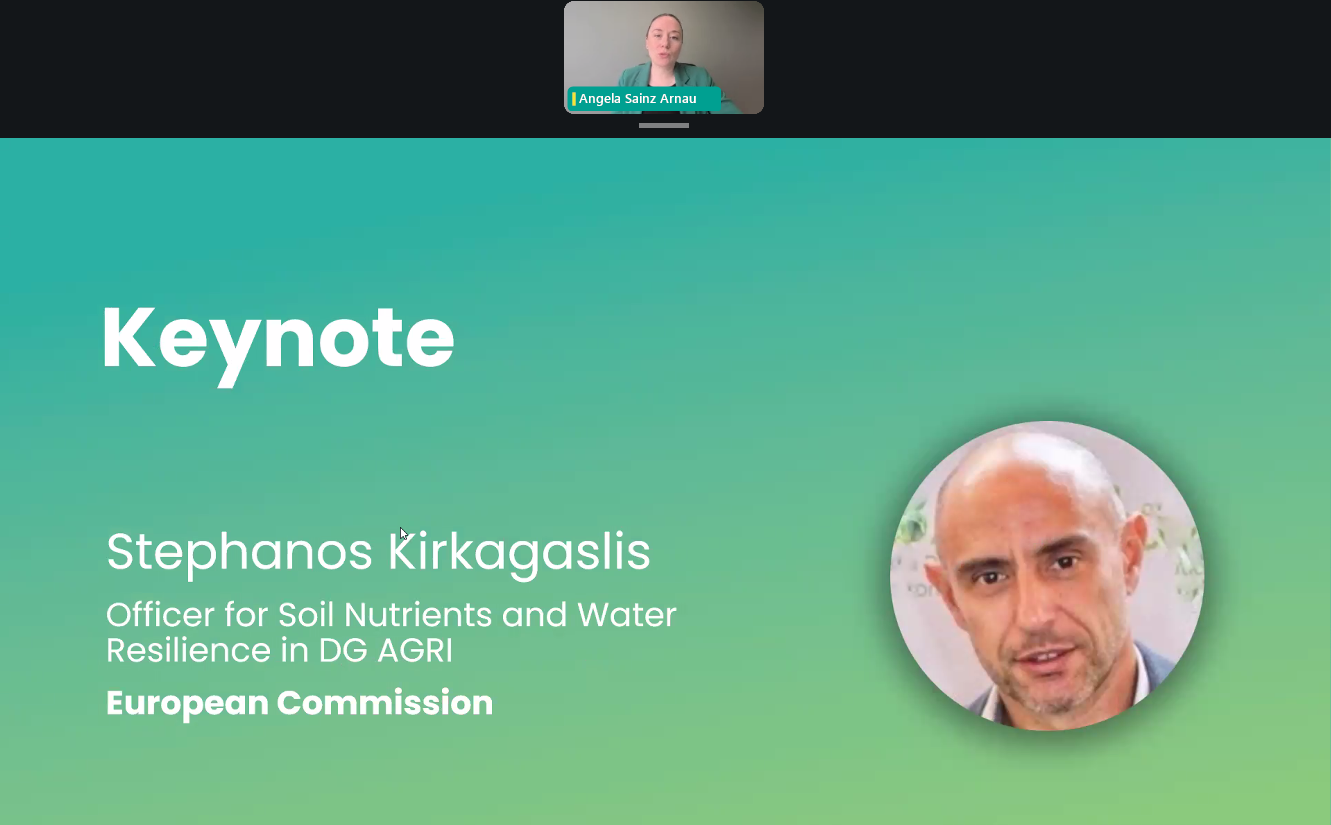


Digestate report
Digestate is a nutrient-rich by-product of anaerobic digestion. It is a strategic yet unfortunately undervalued resource for Europe’s circular bioeconomy.
By recirculating nutrients and organic matter from diverse feedstocks back to fields, digestate improves nutrient use efficiency along the agrifood chain, reduces dependence on imported and fossil based fertilisers and helps rebalance regional nutrient surpluses and deficits.
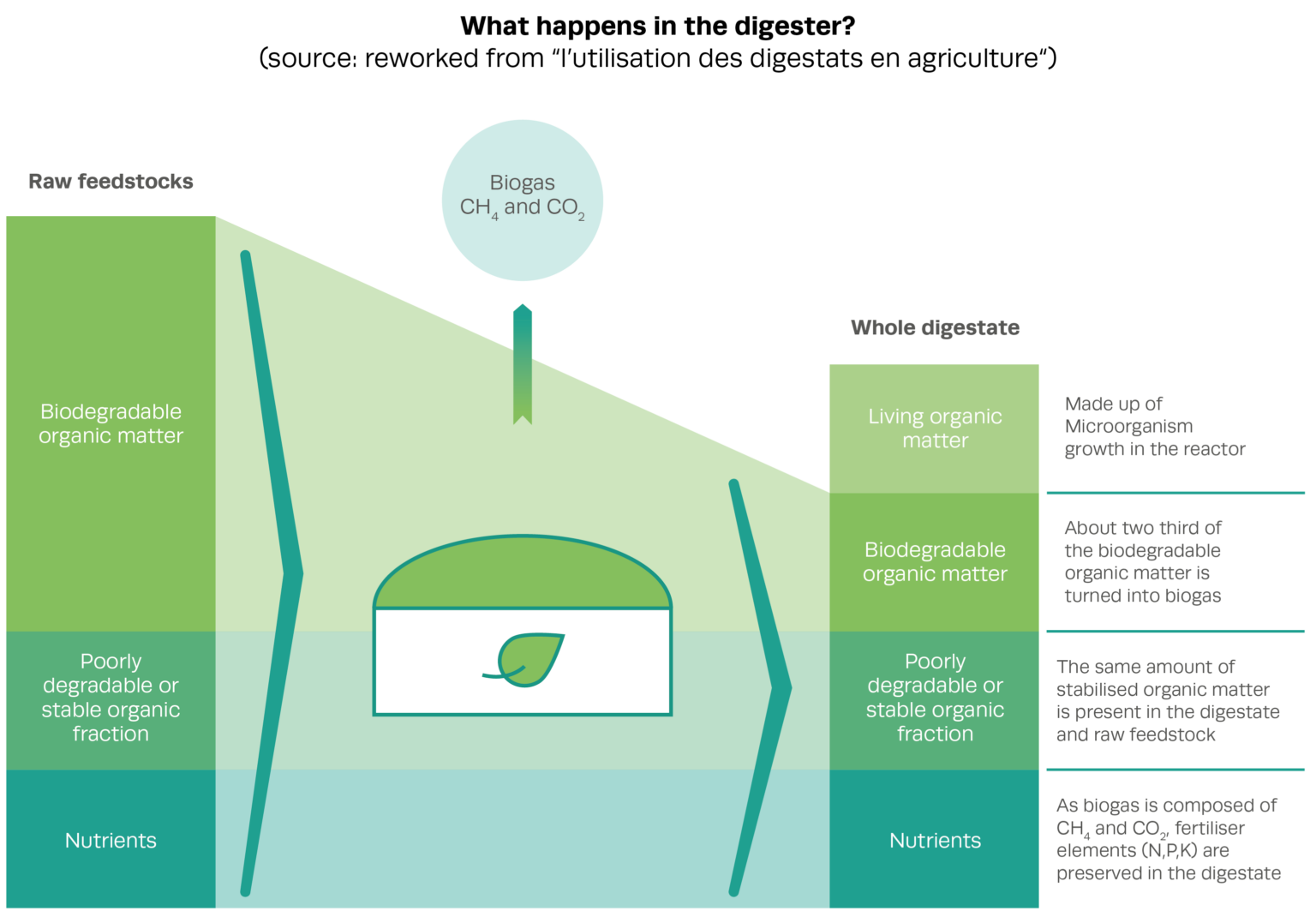
In 2024, anaerobic digestion plants in Europe produced an estimated 25 million tonnes of digestate dry matter (DM), mainly from agricultural feedstocks with manure as the key substrate (60%). Such production volumes could technically replace more than 16% of mineral nitrogen fertilisers used in European agriculture, alongside up to 30% of phosphorus and 10% of potassium demand.
The environmental and nutrient value of digestate exceeds €1 billion per year. By 2050, the European biogas sector could produce around 177 million tonnes of fertilizers derived from nutrient-rich waste, with an estimated nutrient potential of 9.7 million tonnes of nitrogen, 1.7 million tonnes of phosphorus, and 0.8 million tonnes of potassium.
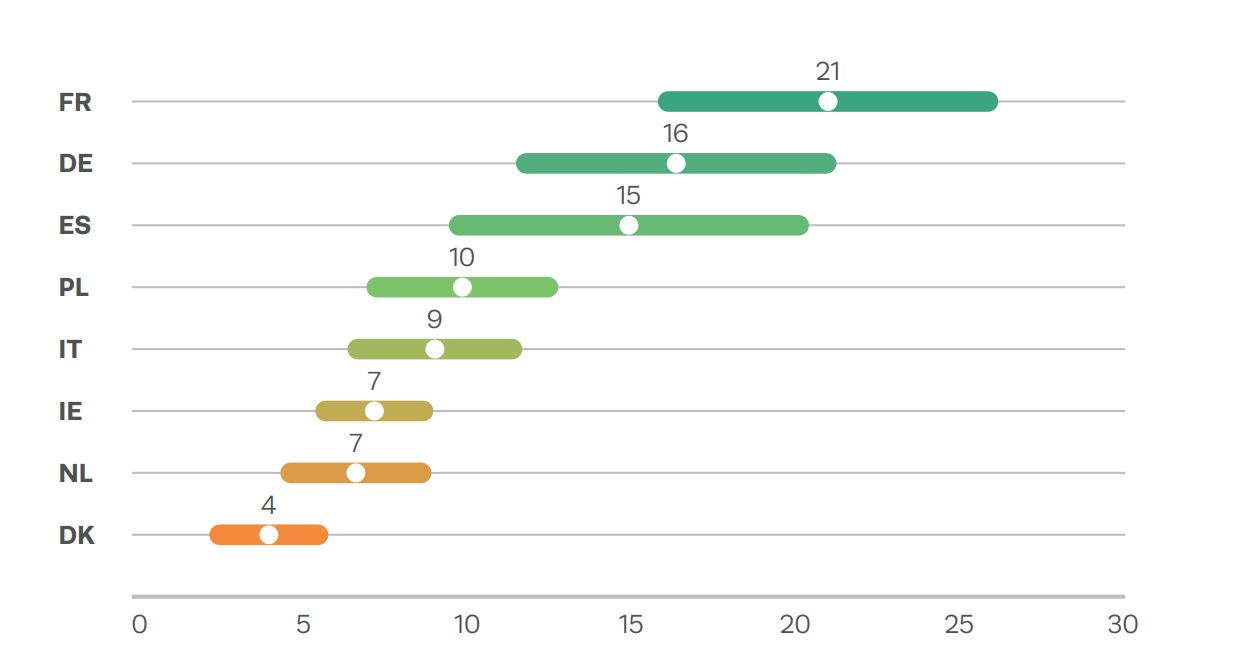
From an economic perspective, digestate management is a key factor in the viability of biogas plants. The study shows that logistics and storage typically account for a significant share of the operational costs associated with digestate, particularly for facilities with large production volumes and long transport distances.
When digestate is used directly on farms, its main benefit lies in reducing the need to purchase mineral fertilizers rather than in selling the product itself. In contrast, large centralized or industrial plants are increasingly dependent on structured business models and, where possible, on processed (upgraded) digestate products with a clearer market position.
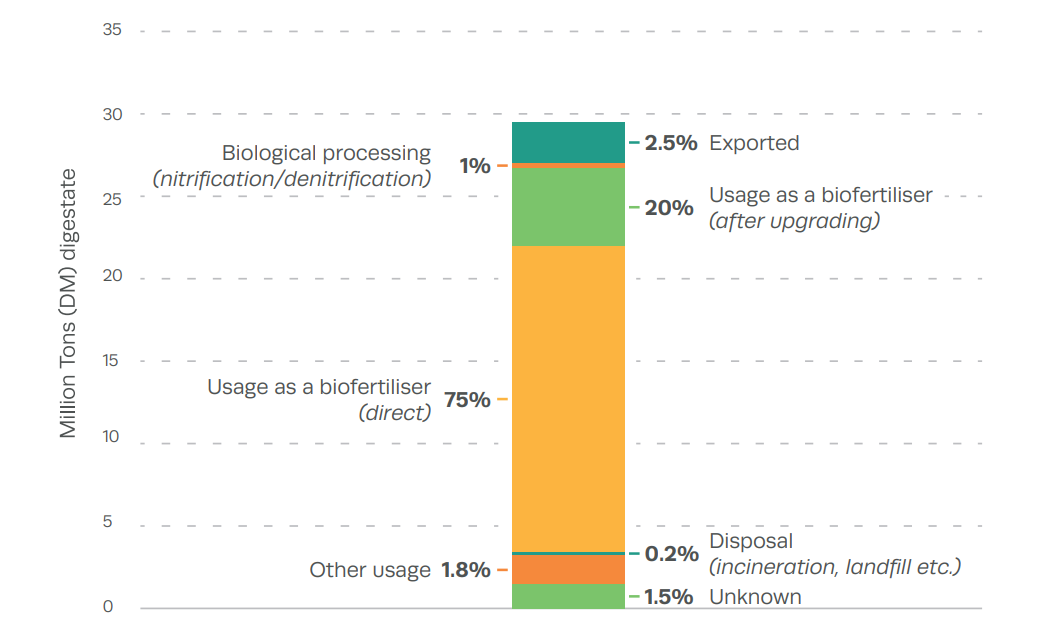
The report confirms that digestate is not a waste product, but a valuable standalone product. It combines green energy production with the sustainable use of nutrients, soil improvement, and farm economics.
The EBA emphasizes that the full use of this resource will depend on the consistent implementation of existing EU and national regulations on soils, fertilizers, nutrients, and waste, as well as on broader recognition of digestate-based fertilizers as widely accepted solutions.