Agricultural construction as the foundation for the reconstruction of Ukraine’s agriculture — the role of bioenergy
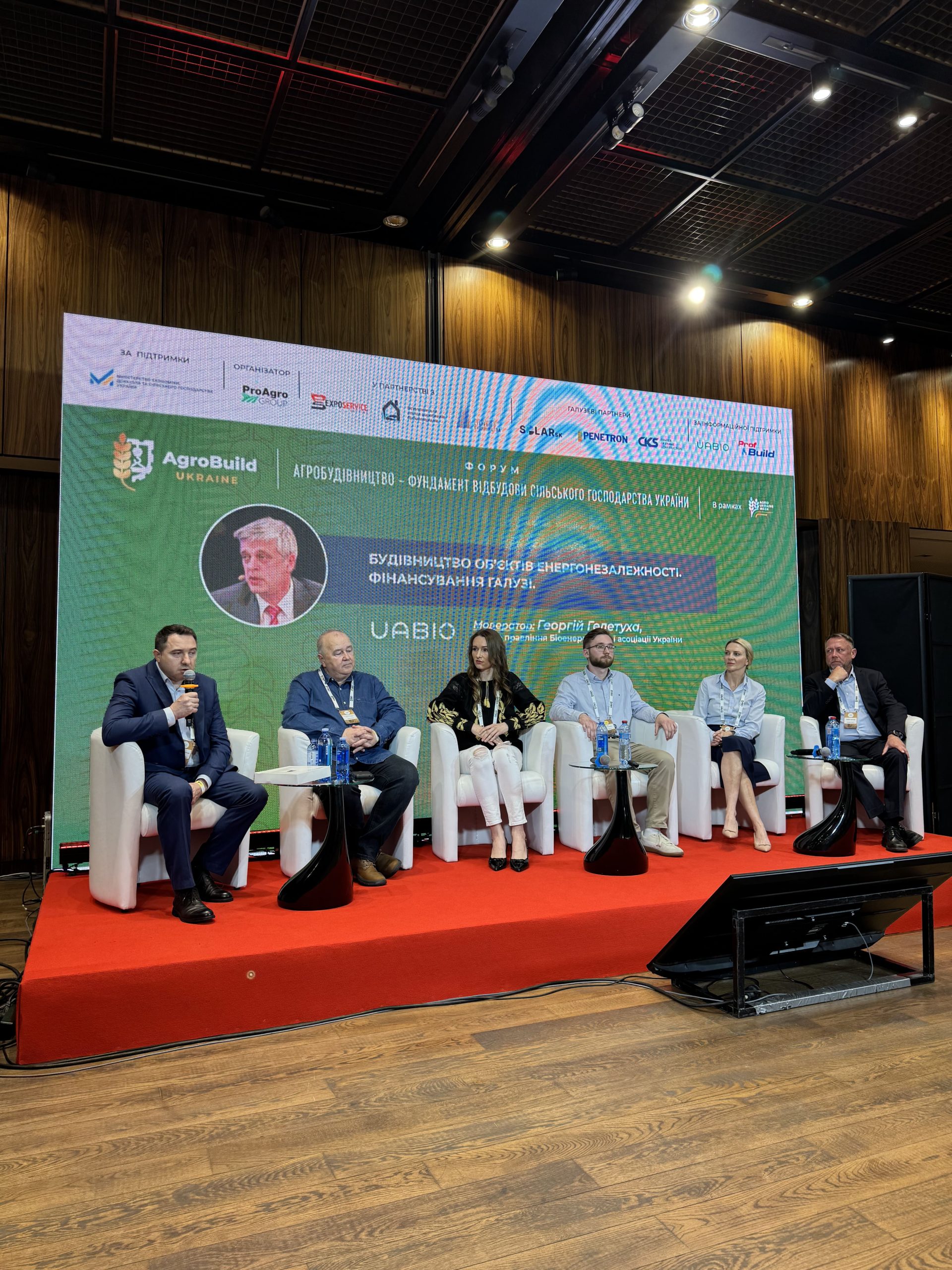
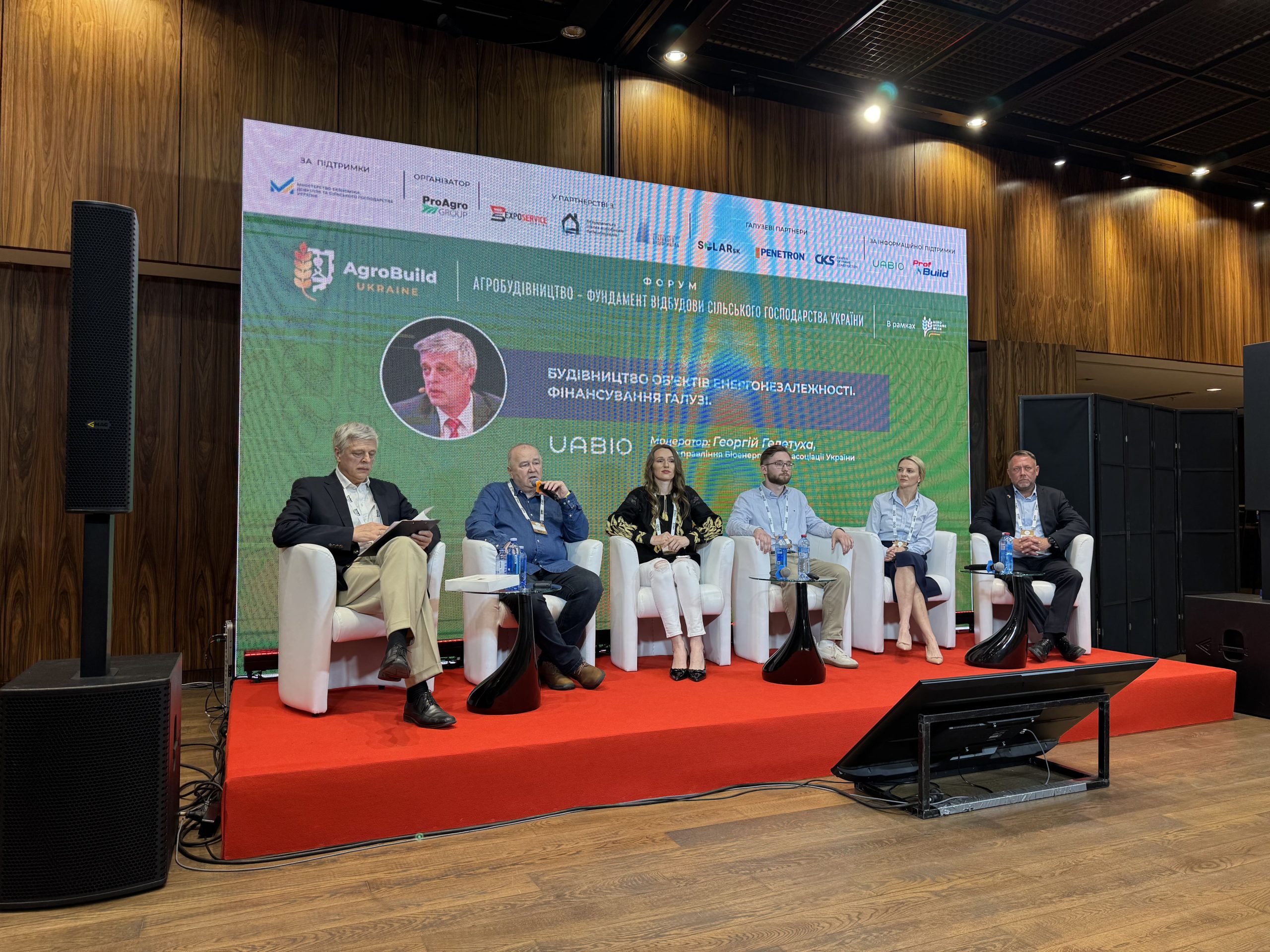
On June 19, at the “Parkovy” Exhibition and Convention Center, as part of the major international agricultural event Agro Ukraine Week, speakers from UABIO participated in the forum “Agricultural сonstruction — the foundation for the rebuilding of Ukraine’s agriculture”. The experts discussed current challenges facing the industry, regulatory changes, and innovative approaches to infrastructure development.
The event focused on practical tools for restoring the agricultural sector, modernizing production facilities, improving the energy efficiency of construction solutions, and successful case studies of implementing modern technologies in agricultural construction.
During the forum, representatives of UABIO member companies talked about bioenergy projects in agricultural construction:
- Volodymyr Ivakhiv, director of VITAGRO Energy.
- Oleh Riabov, head of renewable energy at Gals Agro.
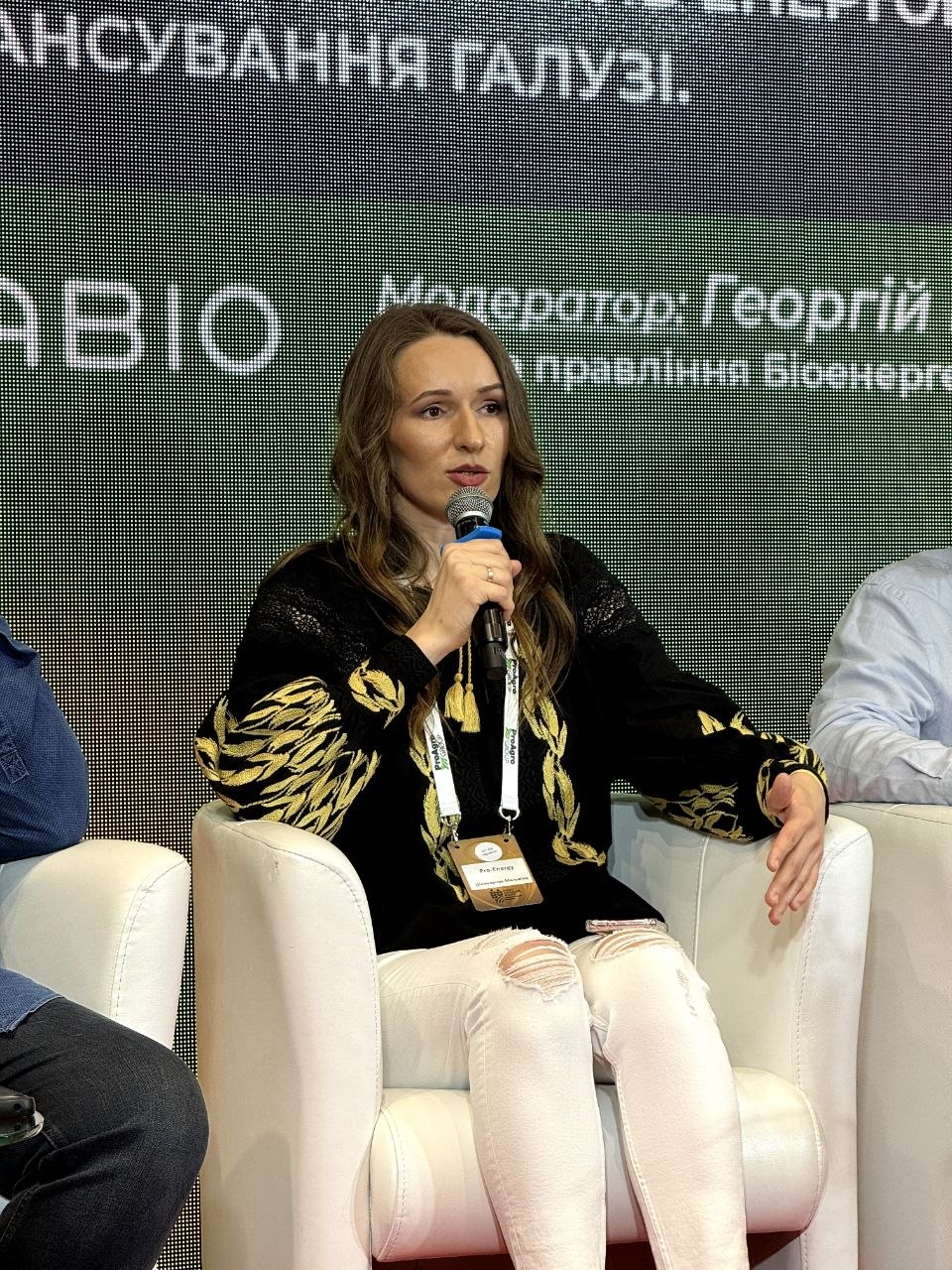
- Malvina Shynkarchuk, project manager at Pro-Energy.
- Lydiya Sydun, area Sales Manager in Ukraine, LINKA Group.
- Jesper Stræde, export Sales Manager, LINKA Group.
The discussion was moderated by Georgii Geletukha, head of the board of the Bioenergy Association of Ukraine.
Key points made by the speakers
Volodymyr Ivakhiv (VITAGRO Energy): “We have one biomethane production facility that we built in 2022-2023. We are currently planning to build another plant. I’d also like to share my thoughts and findings: while it was easy to build in 2022, today we’re finding it much harder to find contractors with enough staff. Construction and engineering costs have risen significantly. All of this is affecting construction budgets and timelines today. Our recommendation is that planning must be a key component today, where various factors need to be taken into account very clearly from the outset“.
For those planning to build their own biomethane plants, Volodymyr Ivakhiv recommends generating electricity — at least for their own needs — from biogas: “you can generate it from your own feedstock more cheaply than buying it from the grid, and you’ll be able to strengthen your energy security. If the opportunity and need exist, you can design a cogeneration unit with sufficient capacity to supply electricity not only to the biomethane plant but also to neighboring production facilities or farms. In addition, heat can be recovered from the cogenerator to preheat the fermenters”.
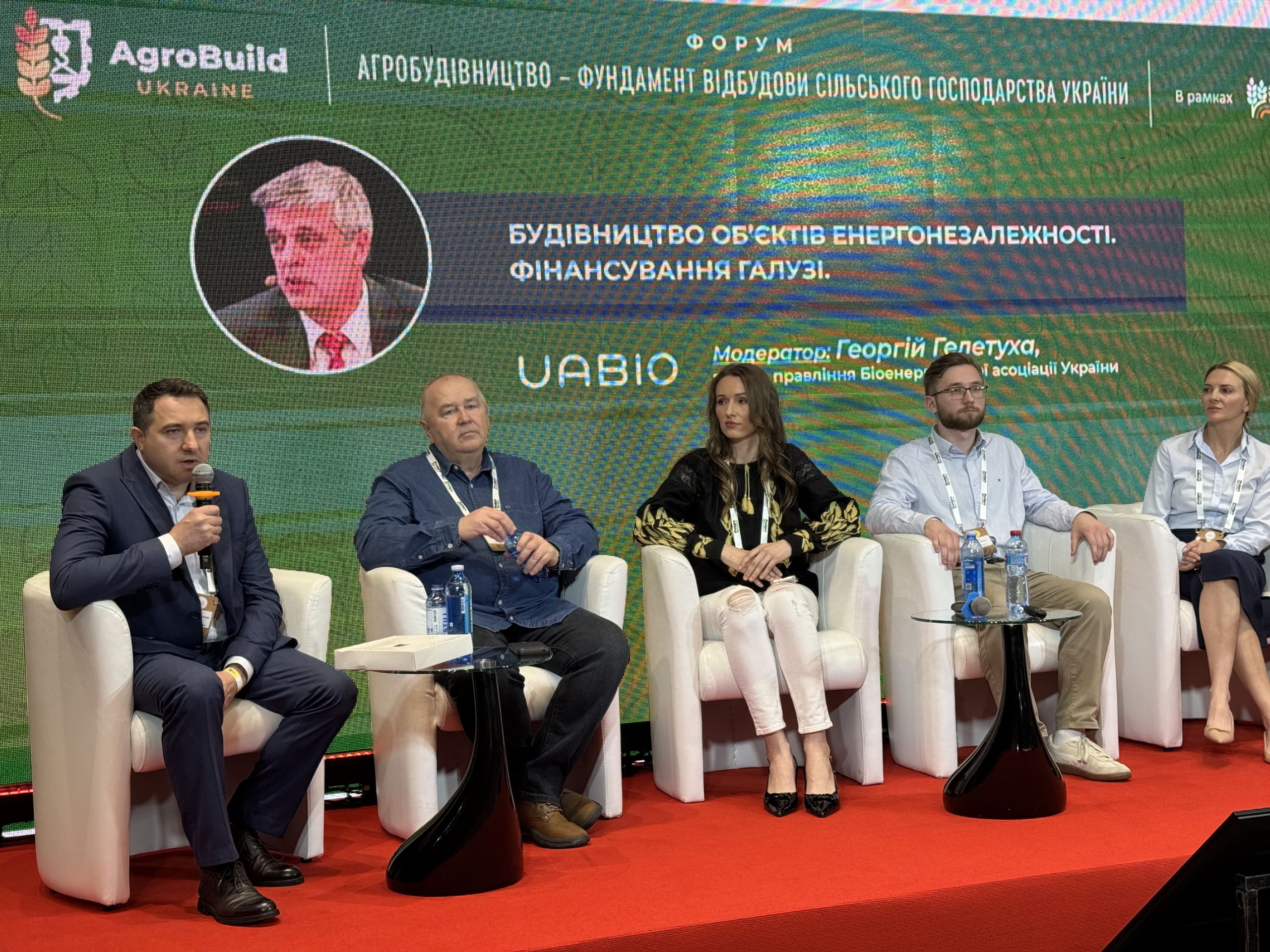
Oleh Riabov (Gals Agro): “We’ve been in the biogas sector since 2016. Back then, we began designing plants based at two sugar factories, using sugar beet pulp — a by-product of sugar production — as the feedstock. By 2019, we had built the first three plants. By 2022, we had reached a total capacity of 14.7 MW. In 2021, just before the start of the full-scale war, we began collaborating with Pro-Energy on the procurement, design, and installation of Ukraine’s first biomethane production module”.
“My advice right now to everyone who comes to us for consultation is this: the most important thing is to have not just a narrow focus on biomethane production, but a broader vision for how to use your existing raw materials. In other words, biogas should always be at the center, and only then can you consider what to do with it. For example, it could be electricity, heat, cooling, or biomethane. You need to be flexible and prepared for various scenarios, especially in a country at war”.
Malvina Shynkarchuk (Pro-Energy): “Today, the first question that arises is what you plan to produce — electricity from biogas or upgraded biogas to biomethane. In other words, which model will provide the best financial return for you, depending on your feedstock and location. It’s also important to define the concept correctly from the start and realistically assess your capabilities and prospects. The concept is influenced by the amount of feedstock, its laboratory analyses and logistics, as well as the availability of contractors who could build the facility”.
“Moreover, what matters today is not so much the size of the biomethane plant as how well it is integrated with the feedstock supply. It is not the agricultural enterprise that should adapt to the biomethane plant; rather, the biomethane plant should adapt to the enterprise’s needs”.
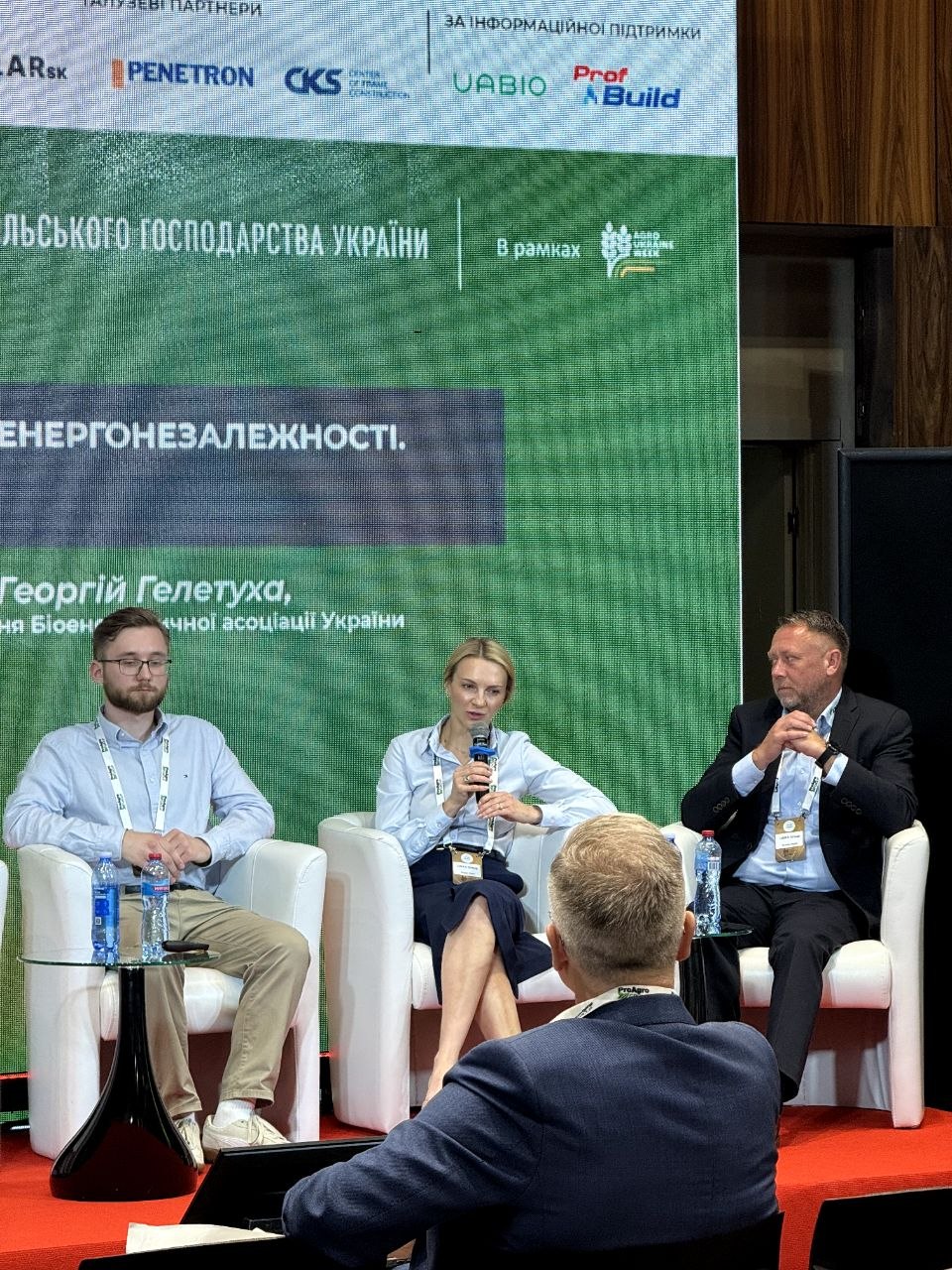
Lidiya Sydun and Jesper Stræde (LINKA Group): “These days, the competitiveness of agribusiness is determined not only by crop yields, but also by access to markets, logistics, and energy. Energy is a key factor in production costs and stability, especially during these challenging times. Ukraine faces a paradoxical situation: we have one of the largest biomass resources in Europe, which we are not using. 45% of all biomass consists of agricultural waste, and we use only 10% of that amount”.
“LINKA Group helps agricultural producers turn agricultural waste and any type of biomass into profit and an energy source for their own businesses. We offer technological solutions for biofuel boiler systems and specialize in the combustion of all types of fuel, including straw. In Ukraine, we have been installing several straw-fired biofuel boilers since 2017″.
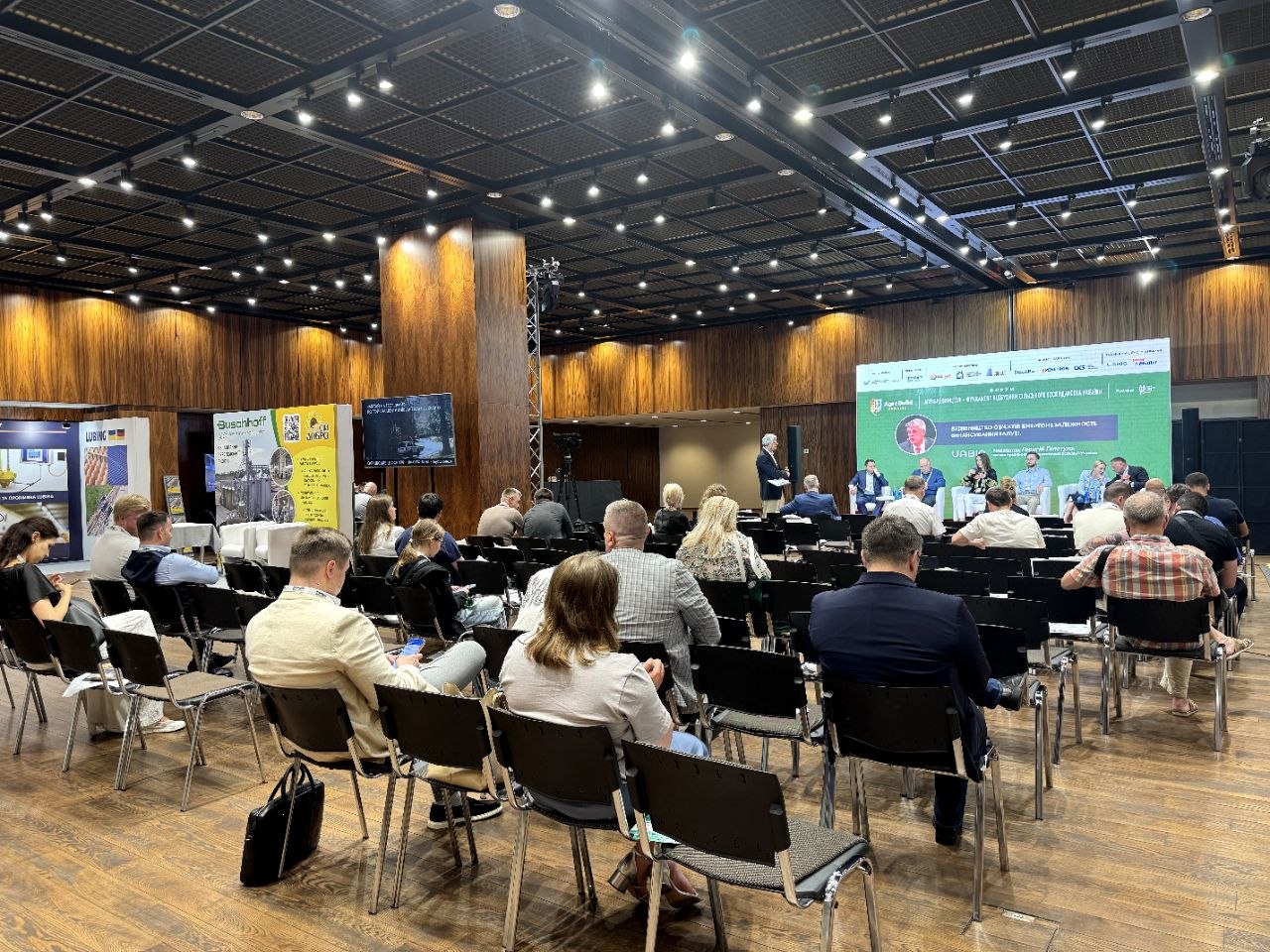
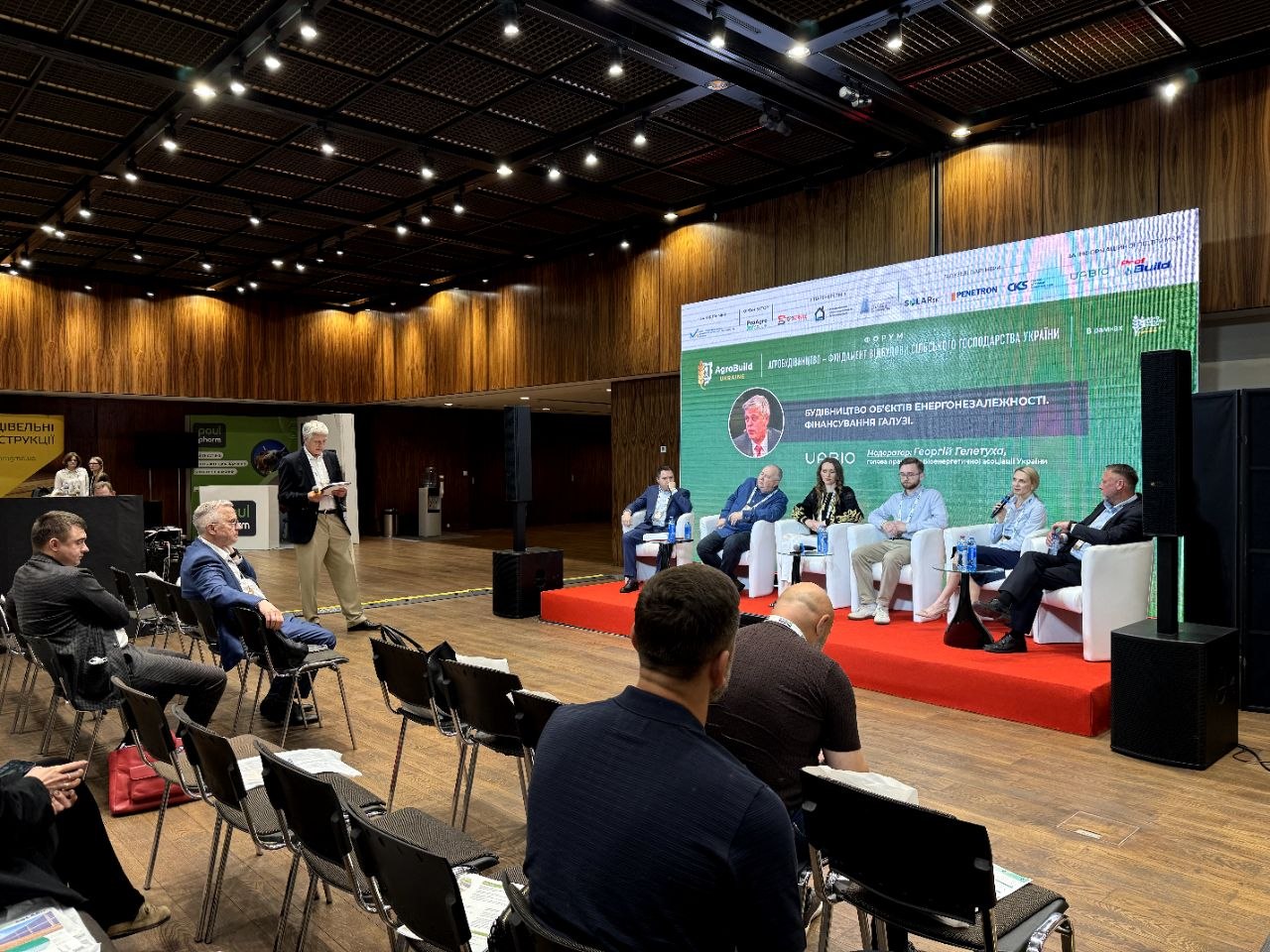
Agro Ukraine Week brought together a wide range of participants — government officials, farmers, agribusiness representatives, international partners, scientists, and politicians — to discuss current challenges and opportunities, pathways to EU integration, and to shape a vision for Ukraine’s agri-food future. The event created a dynamic platform for inclusive national dialogue, cooperation, growth, and development.