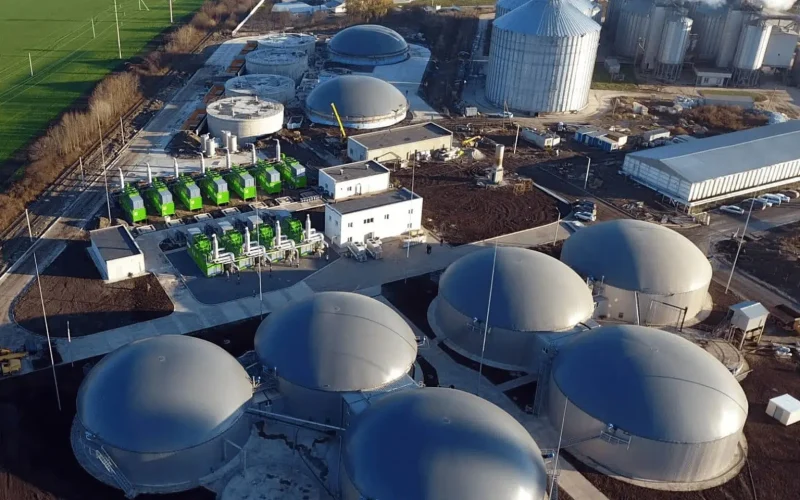
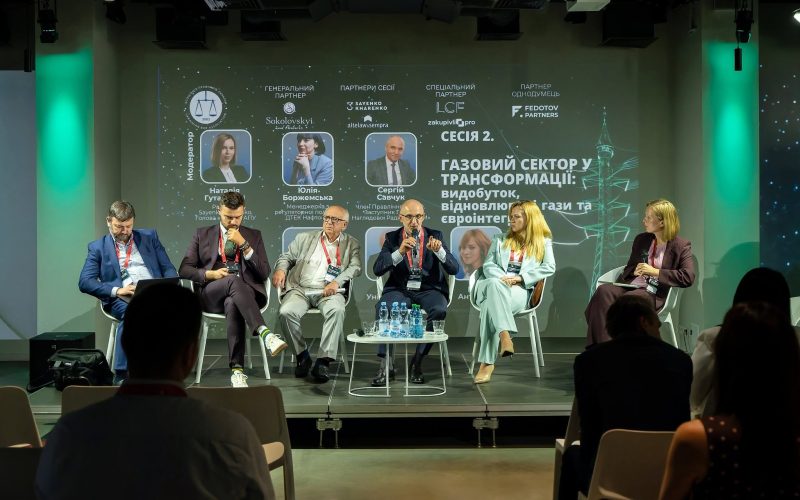
From cogeneration to liquefied biomethane: how Ukrainian farmers are building their own energy independence and entering EU markets
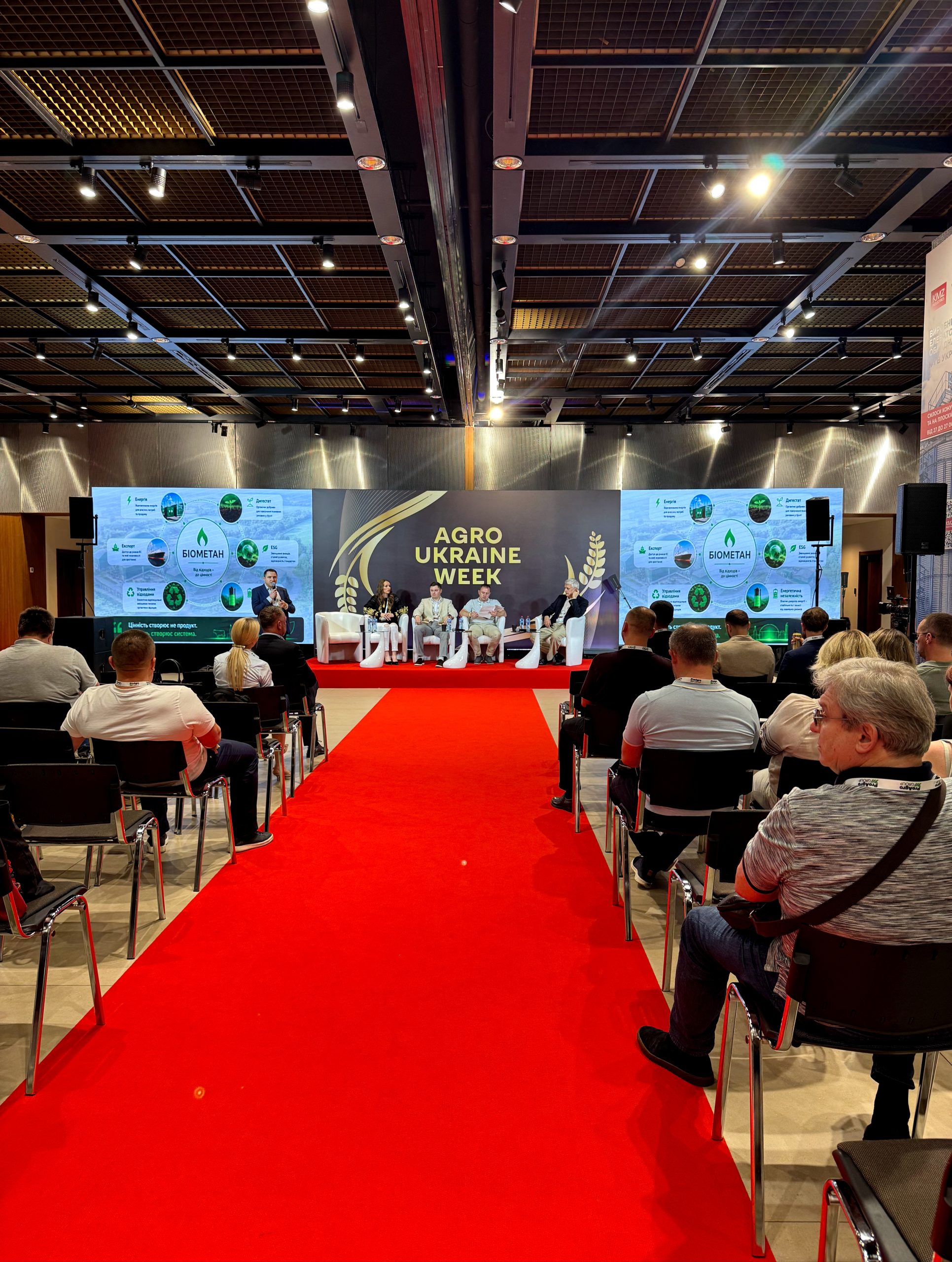
On June 19, at the “Parkovy” Exhibition and Convention Center, as part of the major international agricultural event Agro Ukraine Week, speakers from UABIO also participated in the specialized “Bioenergy Conference” event held as part of Agro Energy Day.
This separate conference focused on the prospects for the development of bioenergy in the agricultural sector, modern biomass processing technologies, the production of alternative fuels, and the implementation of energy-independent solutions at agricultural enterprises.
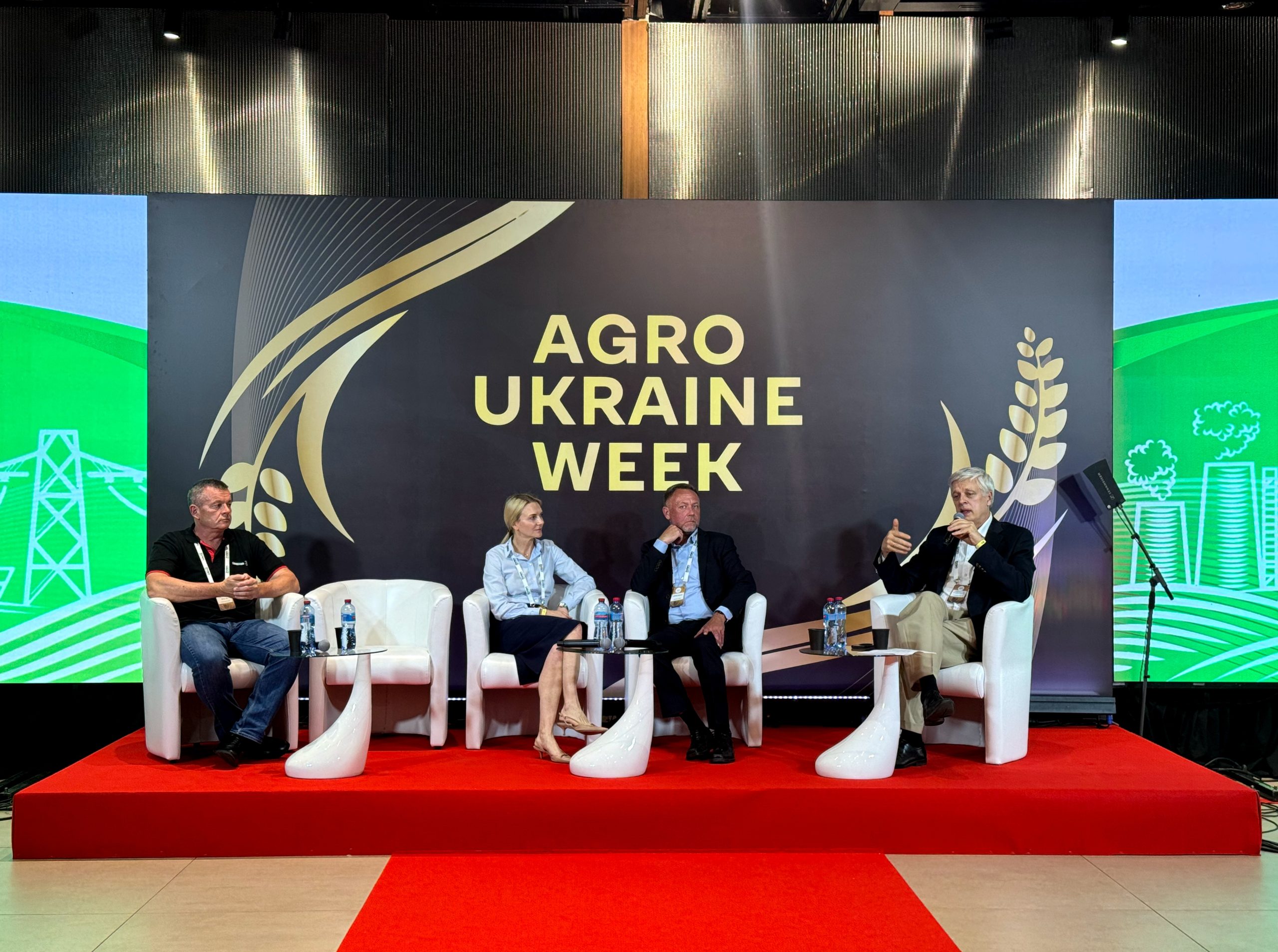
The following speakers participated in the conference:
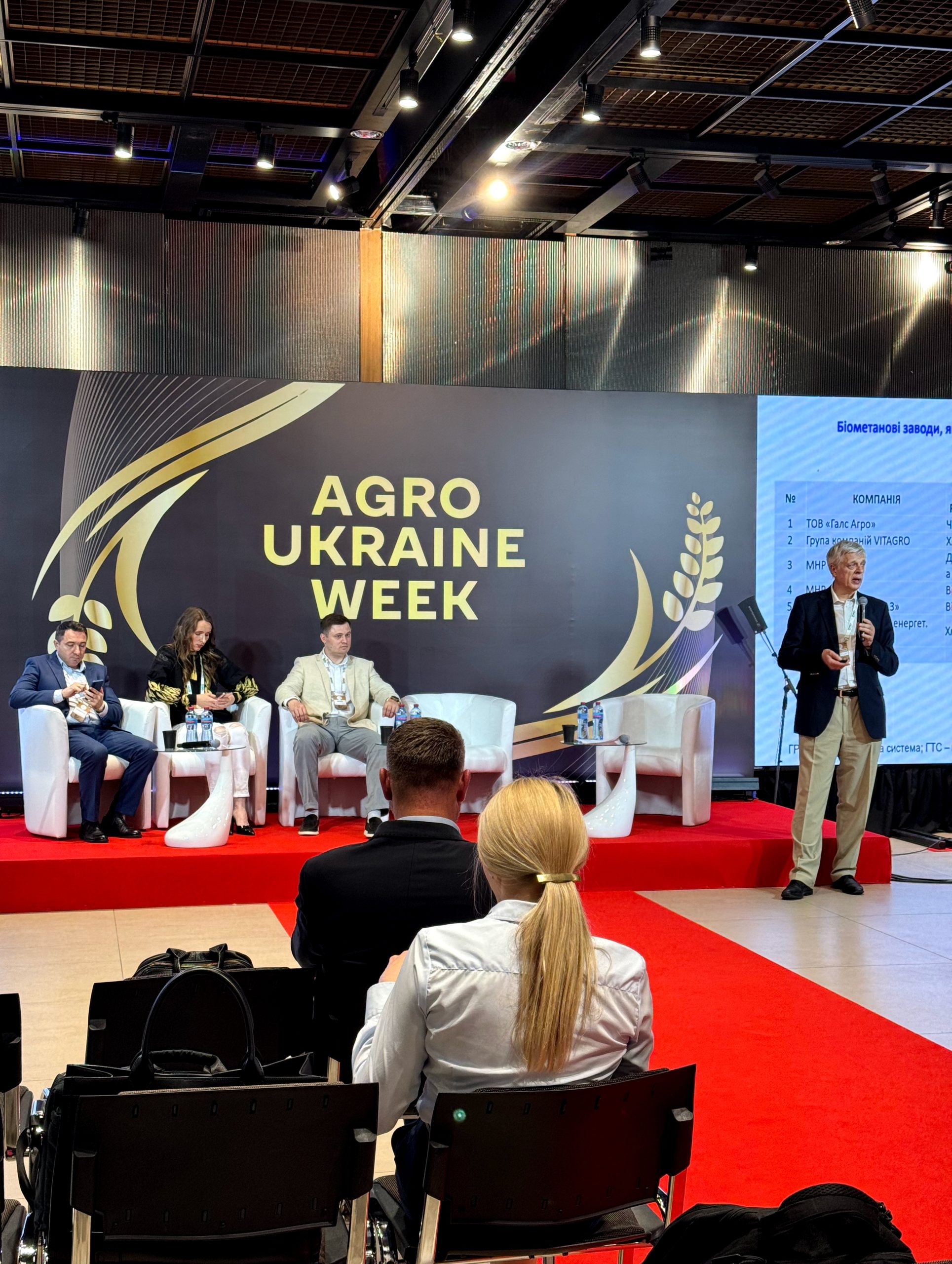
- Georgii Geletukha, head of the board of the Bioenergy Association of Ukraine.
- Serhii Kravchuk, CEO of Gals Agro.
- Vitalii Kryvytskyi, head of the legal and investment support division, bioenergy department, MHP.
- Volodymyr Ivakhiv, director of VITAGRO Energy.
- Malvina Shynkarchuk, project manager at Pro-Energy.
- Sergey Sitnikov, Vogelsang GmbH & Co. KG, area sales manager.
- Lidiya Sydun, area sales manager in Ukraine, LINKA Group.
- Jesper Stræde, export sales manager, LINKA Group.
The discussion was moderated by Georgii Geletukha, head of the board of the UABIO.
During the conference, speakers shared their practical experience in implementing bioenergy projects in Ukraine, discussed the significant potential and investment appeal of agricultural waste processing, and presented modern technological solutions — ranging from specialized equipment to the construction of biogas plants and boiler complexes.
The experts focused in detail on the benefits of decarbonization, energy independence, and the creation of new added value for the agribusiness sector. Special attention was given to the prospects and challenges of exporting Ukrainian biomethane to the EU, the need to adapt European legislation, and the importance of developing a domestic market for alternative fuels.
Key points made by the speakers
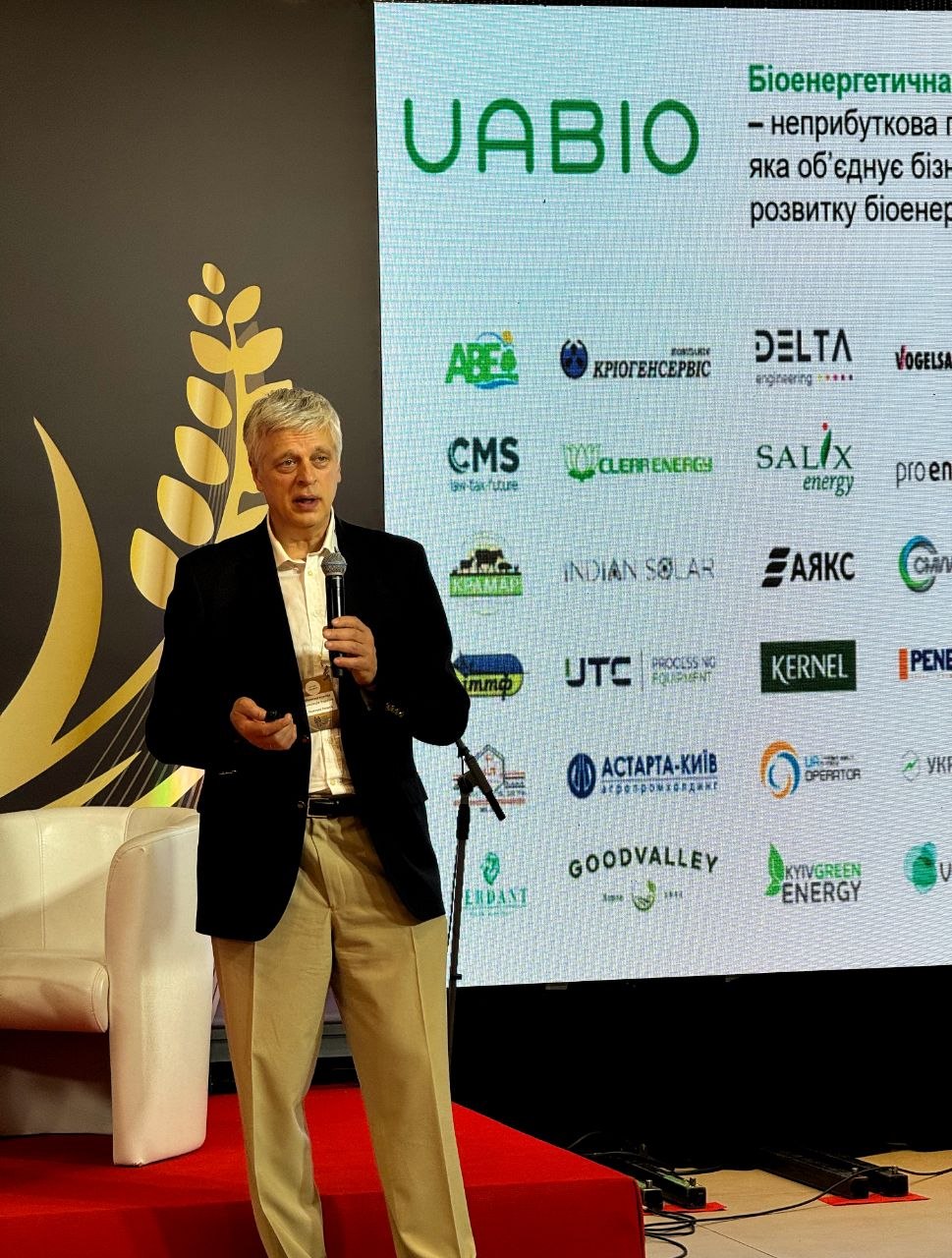
Georgii Geletukha (UABIO):
“The European target of 35 billion cubic meters of biomethane by 2030 is still far from being achieved. For Ukraine, this is a good opportunity to enter this deficit market. In fact, Ukraine has done all its ‘homework’ — it has fully prepared the Ukrainian part of the legislation. We are grateful to the government for listening to us and implementing the changes we propose. The remaining challenges come from the EU countries to which we want to export; we are moving faster than they are ready to accept our biomethane”.
“In total, Ukraine has 83 biogas projects with a capacity of 140 MW of electricity and already 6 biomethane plants with a capacity of 108 million cubic meters of biomethane per year. Ukraine’s biomethane production potential stands at 21.8 billion cubic meters per year”.
Serhii Kravchuk (Gals Agro):
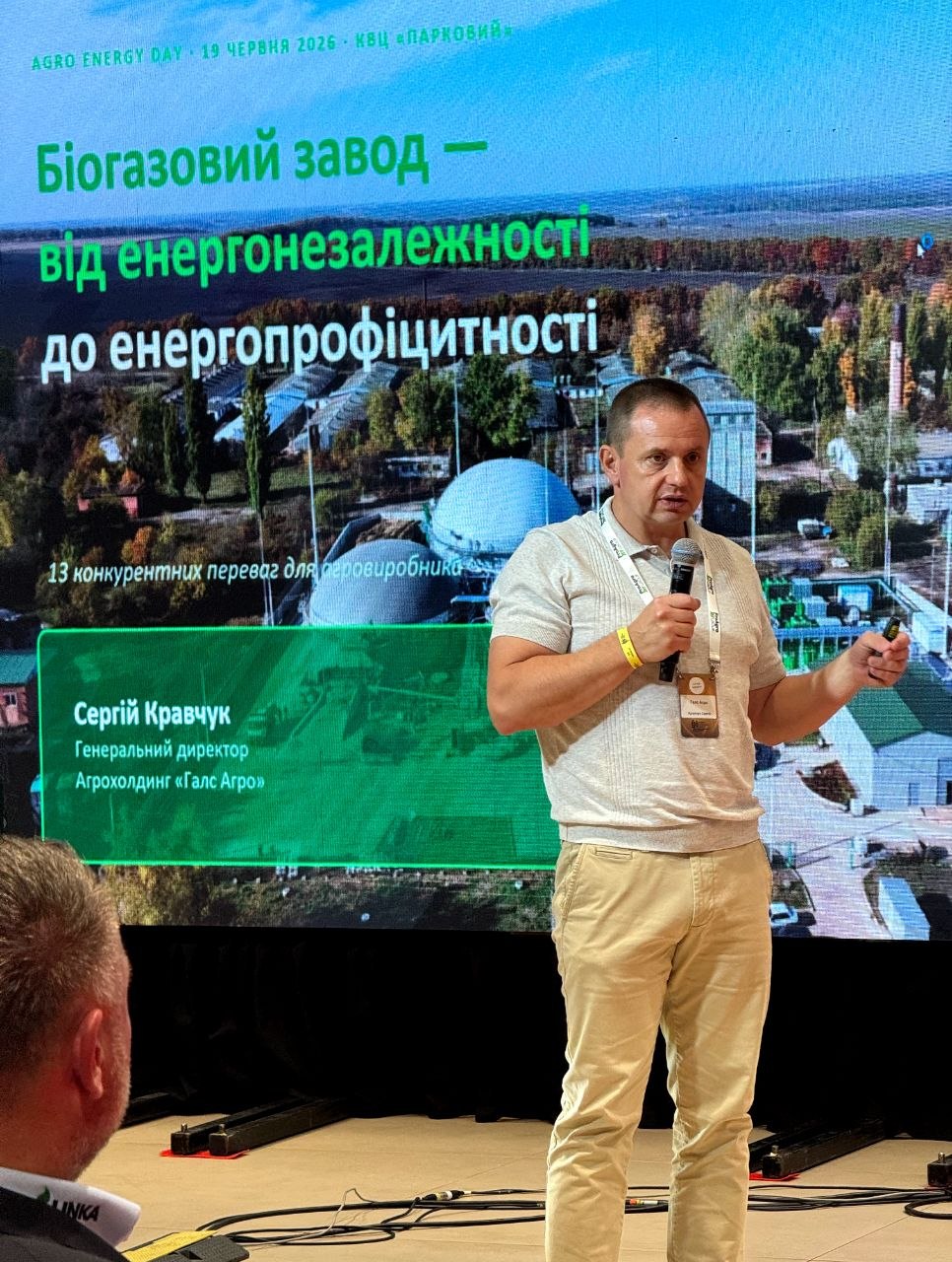
“For businesses, a biogas plant means electricity and biomethane. The most important thing a business needs is raw material for biogas production. If you have a cattle farm with 1,000 cows, a well-developed poultry operation, or a large amount of crop waste, then you can start thinking about building a biogas plant. The plant itself is a commercial project that generates revenue. The average payback period is 4-5 years. In other words, it’s a profitable and highly viable project. For example, each year, from a single cow (through the biogas plant), you’ll earn 200-300 euros in additional income on top of what you earn from milk or meat”.
“In addition, every business that builds its own biogas plant also gains other benefits — energy independence, digestate (a high-quality organic fertilizer), compliance with environmental regulations, the recycling of its own waste and organic matter from the region, as well as the ability to use waste heat for other purposes. Other potential benefits include the capture and sale of biogenic CO2, as well as improvements in logistics and harvest operations”.
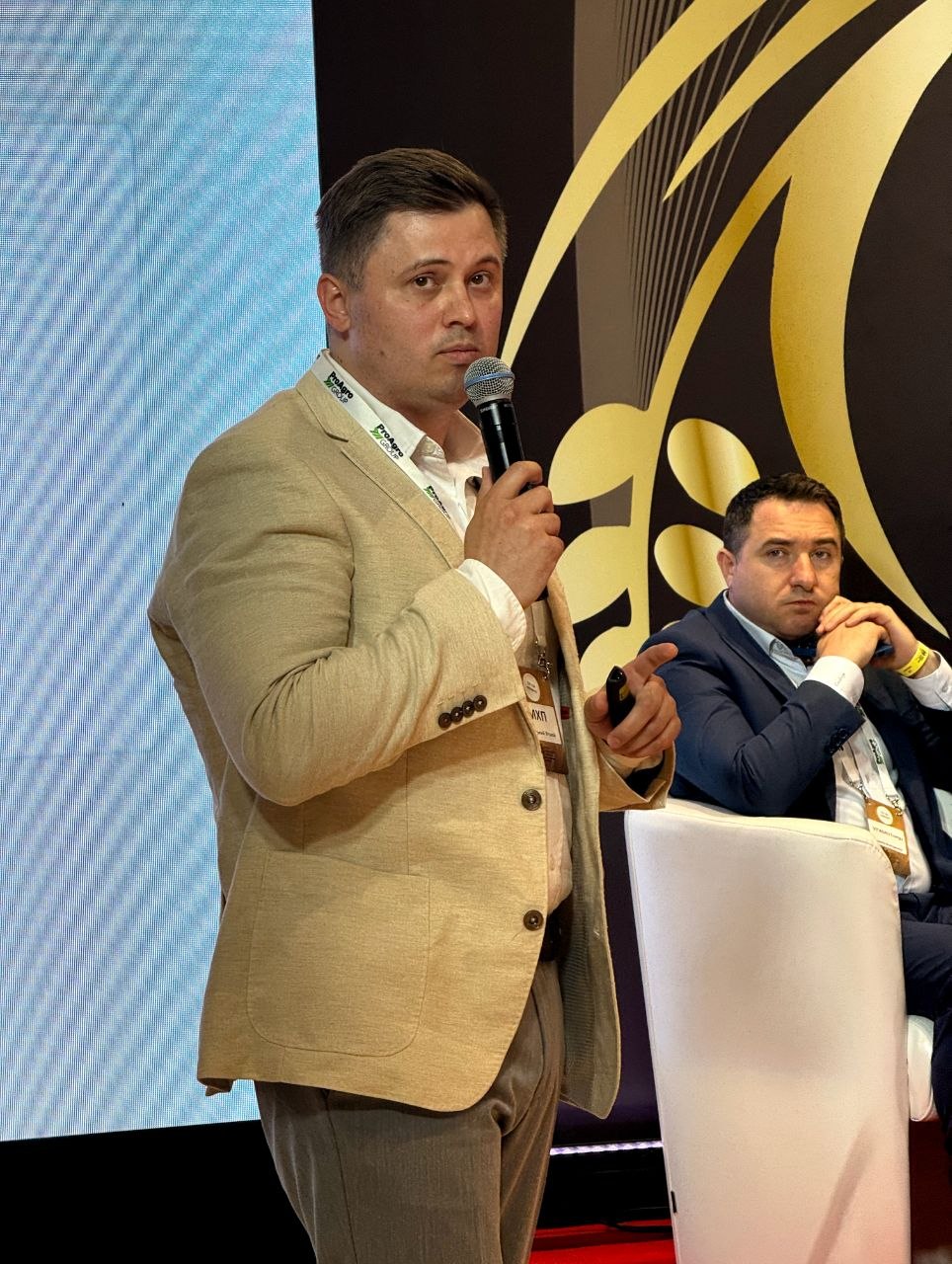
Vitalii Kryvytskyi (MHP):
“We successfully launched two of our plants in 2025. One of them produces 24 million cubic meters of biomethane, but this is not conventional pipeline biomethane — it is liquefied (Bio-LNG). We have signed a long-term contract to supply it abroad and are currently exporting our Bio-LNG to Germany for the transportation market. The second project is connected to the gas distribution network and is also export-oriented. Overall, the nature of the issue and our experience indicate that biomethane production projects in Ukraine today are export-oriented. That is precisely why we are focusing heavily on opening up European markets”.
“Among the main challenges today are joining the UDB (Union Database) and the lack of a domestic market. This market does not currently exist, but we can establish it and, thus, minimize our risks in the future (by not relying solely on exports). To achieve this, we see a solution in introducing CI mandates (based on carbon intensity) instead of volume-based mandates. This mandate requires suppliers to ensure that the average CO2 emissions across their entire fuel portfolio do not exceed a certain threshold. The lower a fuel’s carbon intensity, the more it contributes to meeting the standard. In other words, it is not the volume of fuel itself that matters most, but the actual reduction in CO2. This approach will foster genuine competition among biofuels and stimulate investment in the industry”.
Volodymyr Ivakhiv (VITAGRO Energy):
“In the past, most of us viewed waste as a problem; today, we see it as a source of new value. In other words, when we talk about biomethane, we’re talking about transforming waste into new added value. This is particularly relevant for the agricultural sector. When it comes to biomethane, it’s not just about generating energy from waste — it’s also about decarbonization, which creates added value as well. So today, waste is not just trash. Overall, this added value is created not just by biomethane itself, but by the entire ecosystem: certification of sustainable production and the entire value chain, the production of digestate (a substitute for mineral fertilizers), and energy independence”.
“Right now, biomethane represents a synergy between Europe and Ukraine. Ukraine has abundant untapped raw materials and good infrastructure, particularly in the gas sector. Europe, on the other hand, is shaping the climate agenda, setting ambitious decarbonization goals and stimulating demand for ‘green’ energy and ‘green’ fuels. Today, a new biomethane market is emerging in Ukraine. It needs to be developed. We export biomethane to some markets, but others remain closed to us. We need to work as an entire industry to unlock opportunities for Ukrainian producers”.
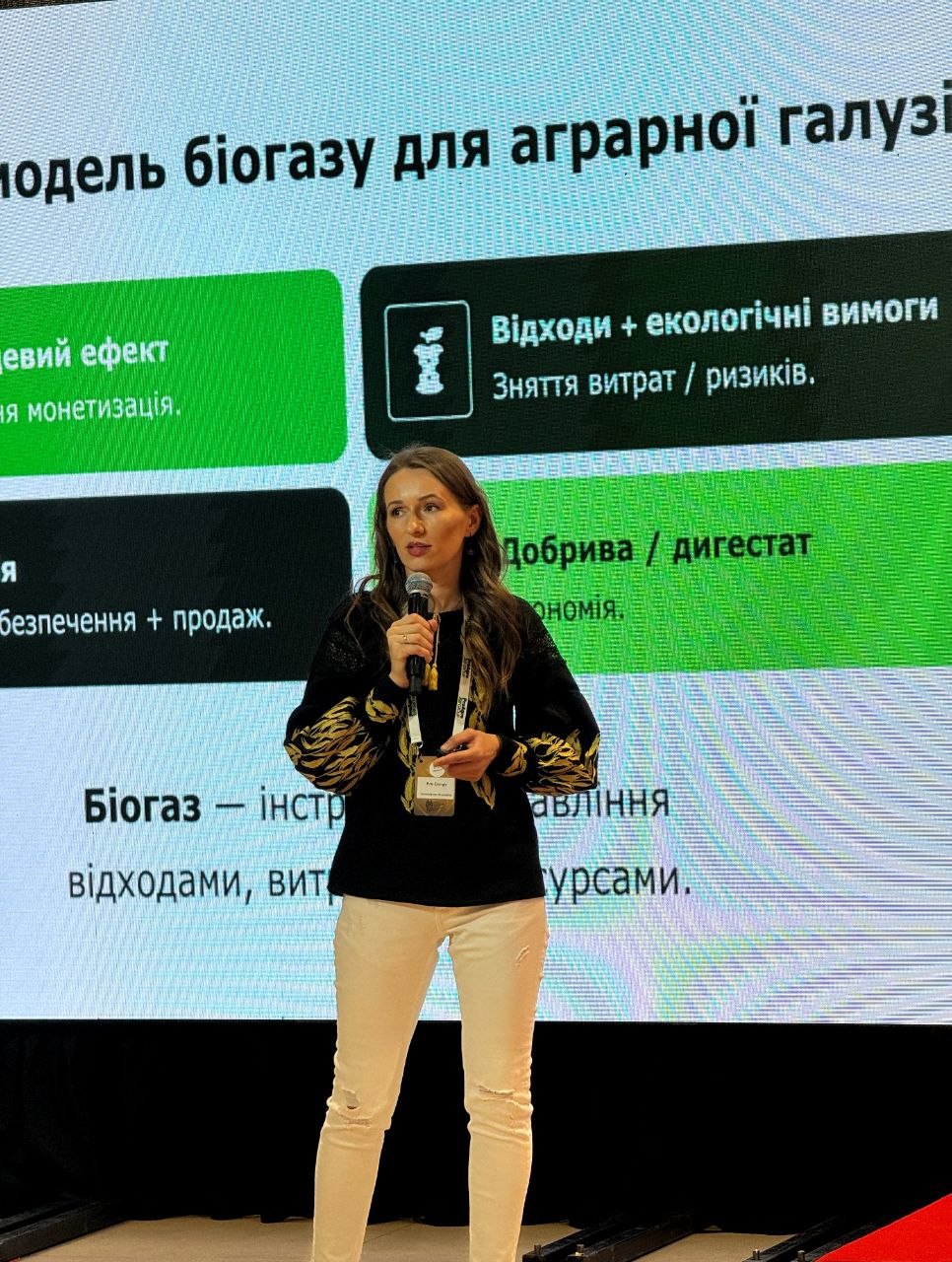
Malvina Shynkarchuk (Pro-Energy):
“How can you make money from biogas in Ukraine? The answer is simple — contact us, and we’ll help you with that. Our company provides support from the initial idea through to the commissioning and ongoing maintenance of a biogas plant. We also offer services for installing a biomethane upgrading module (membrane technology) as well as cogeneration units. The biogas industry is attractive to farmers for several reasons. Currently, the carbon footprint is a key factor, which will generate some revenue in the future; equally valuable is the ability to become self-sufficient in electricity — not only for the biogas plant itself but also for your main production operations. We can also discuss selling excess electricity, even if you have a biomethane plant operating in parallel”.
“Now, waste — even if it’s manure or poultry litter — is suddenly reclassified as ‘premium raw material.’ So, when you ferment this raw material to produce biogas, you ensure compliance with environmental requirements under current and future (which may be even more stringent) legislation. Today, biogas is a tool for managing waste, costs, and resources. Our golden rule is feedstock analysis, mass balance, and energy balance. Then this is factored into a financial model to determine the best course of action: whether to focus on biomethane production or electricity generation from biogas”.
Sergey Sitnikov (Vogelsang):
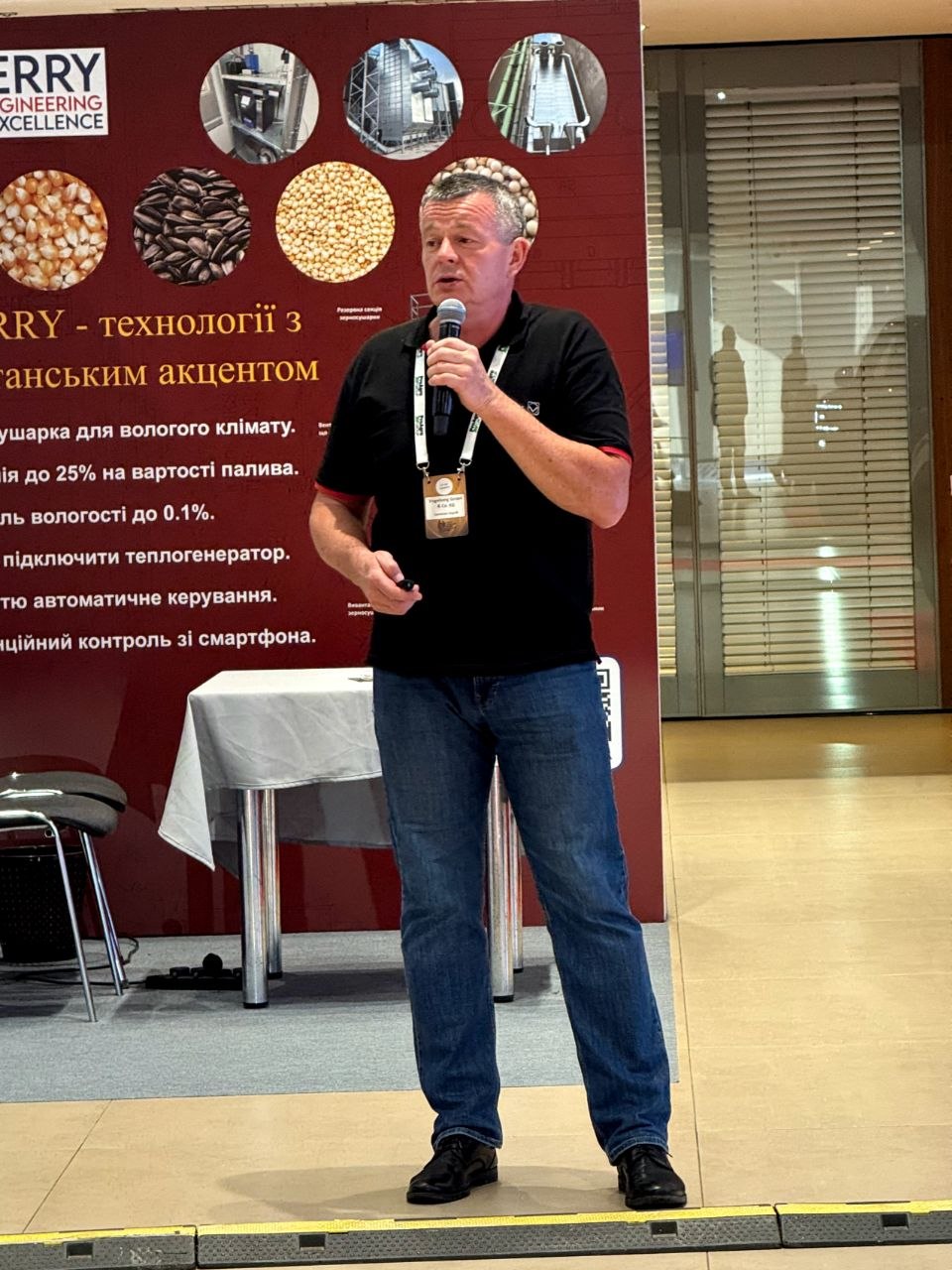
“We are a machinery manufacturing group that produces various types of mechanical equipment. Biogas plays a significant role in our product portfolio. Vogelsang is known worldwide as a manufacturer of various types of specialty pumps and shredders. Vogelsang offers elastomer-lined rotary pumps and pumping systems tailored to specific applications and adapted to a wide range of customer requirements. Vogelsang rotary vane pumps are resistant to foreign objects, durable, reliable, and easy to maintain. Vogelsang offers solid-material shredders and in-line shredders, as well as separators”.
“What we offer in the biogas industry is a combination of pumping and shredding in various configurations. Vogelsang played an active role in the ‘biogas boom’ in Germany in the 2000s. Various Vogelsang units are still operating quite successfully at most biogas plants in Germany. The advantages of our equipment are that it is compact and suitable for a variety of tasks. We are also constantly upgrading them. They can process food industry waste, manure, and other raw materials for biogas production”.
Lidiya Sydun and Jesper Stræde (LINKA Group):
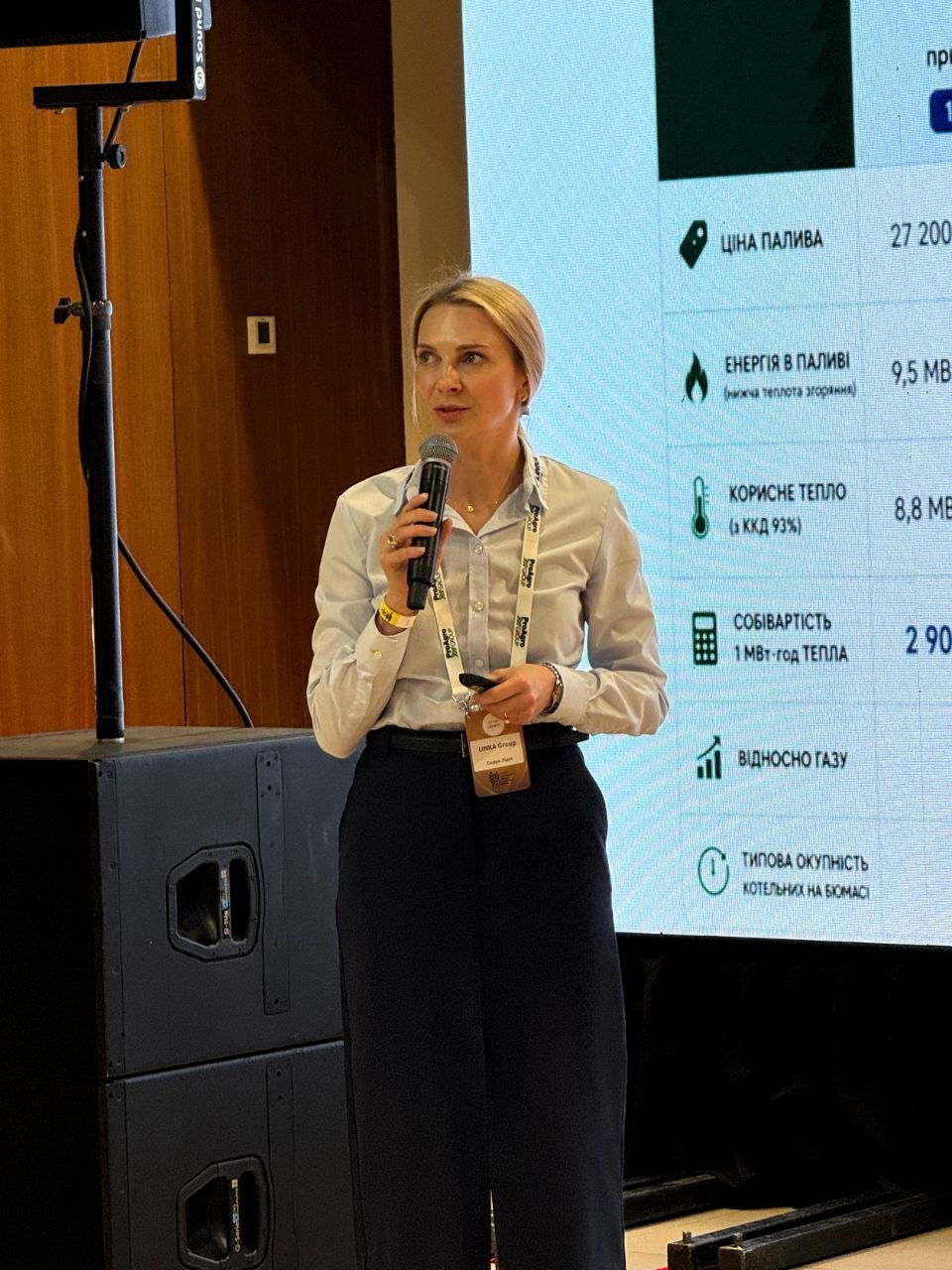
“In such challenging times for our country, the competitiveness of agribusiness is determined not only by crop yields, but also by access to markets, logistics, and energy. Energy is a key factor in production costs and stability. Ukraine faces a rather paradoxical situation: we possess one of the largest biomass resources in Europe, but we are not utilizing it. Biomass is an important energy resource for the production of heat, electricity, as well as biogas and biomethane. For example, biomass boilers allow enterprises to cost-effectively replace natural gas”.
“LINKA Group helps convert agricultural waste and any type of biomass into heat and electricity. We offer a variety of technological solutions for biomass boiler plants and specialize in the combustion of all types of biomass, including straw. In Ukraine, we have installed several straw-fired biofuel boilers since 2017. In general, we develop customized solutions for each customer based on their needs and the feedstock available; however, we also offer standard equipment”.
As a reminder, on the same day, as part of Agro Ukraine Week, a forum titled “Agricultural сonstruction — the foundation for the rebuilding of Ukraine’s agriculture” was also held. During the forum, experts discussed practical tools for revitalizing the agricultural sector, modernizing production facilities, improving the energy efficiency of construction solutions, and successful case studies of implementing modern technologies in agricultural construction.
Learn more about the forum “Agricultural сonstruction — the foundation for the rebuilding of Ukraine’s agriculture”
Agro Ukraine Week brought together a wide range of participants — government officials, farmers, agribusiness representatives, international partners, scientists, and politicians — to discuss current challenges and opportunities, pathways to EU integration, and to shape a vision for Ukraine’s agri-food future. The event created a dynamic platform for inclusive national dialogue, cooperation, growth, and development.